After 20 years of campaigning, Stop Climate Chaos Scotland still has much work to do
“There is still time to stop the worst effects of climate change, save lives and create a fairer, healthier, brighter future for everyone.”
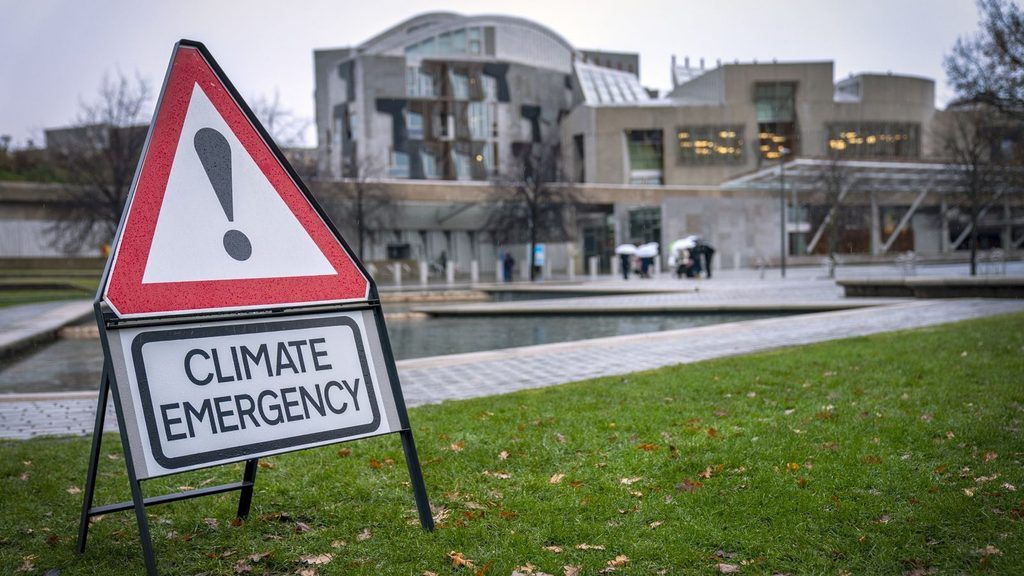
This was the message from Stop Climate Chaos Scotland at a special parliamentary event marking two decades of campaigning for action to tackle the biggest existential crisis ever to face humankind.
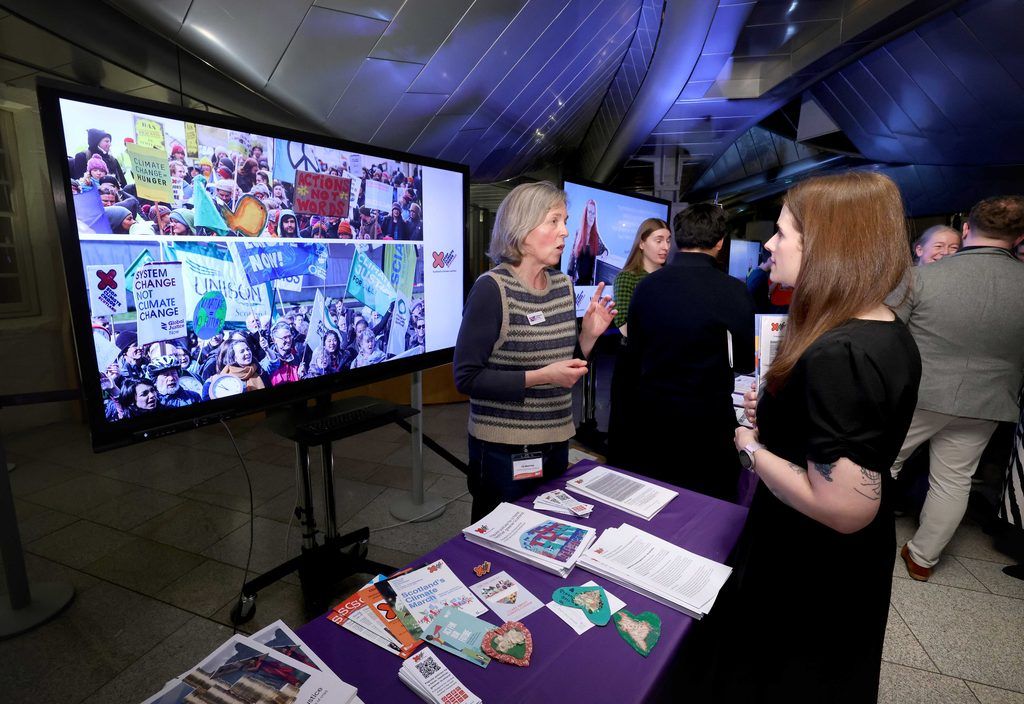
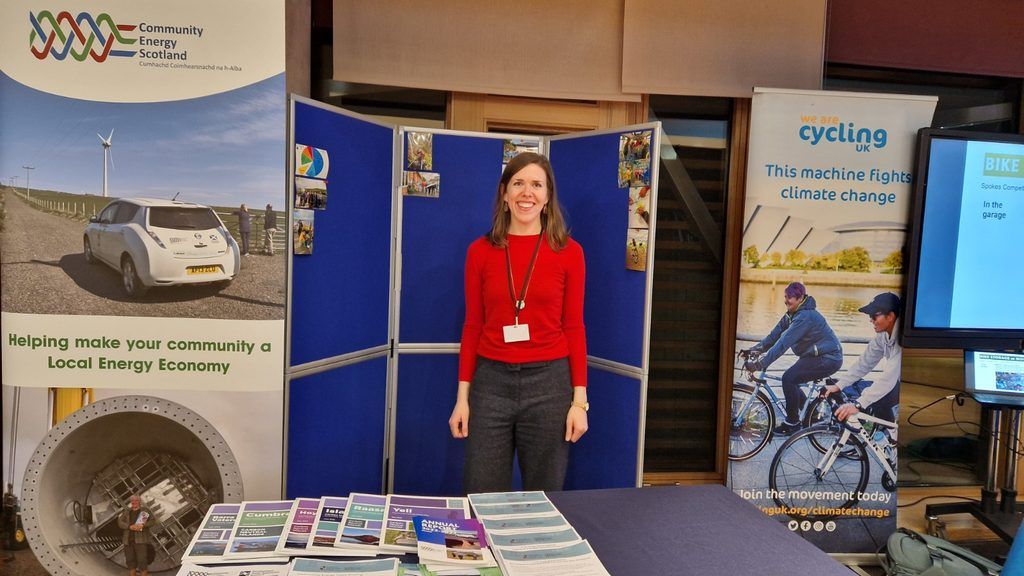
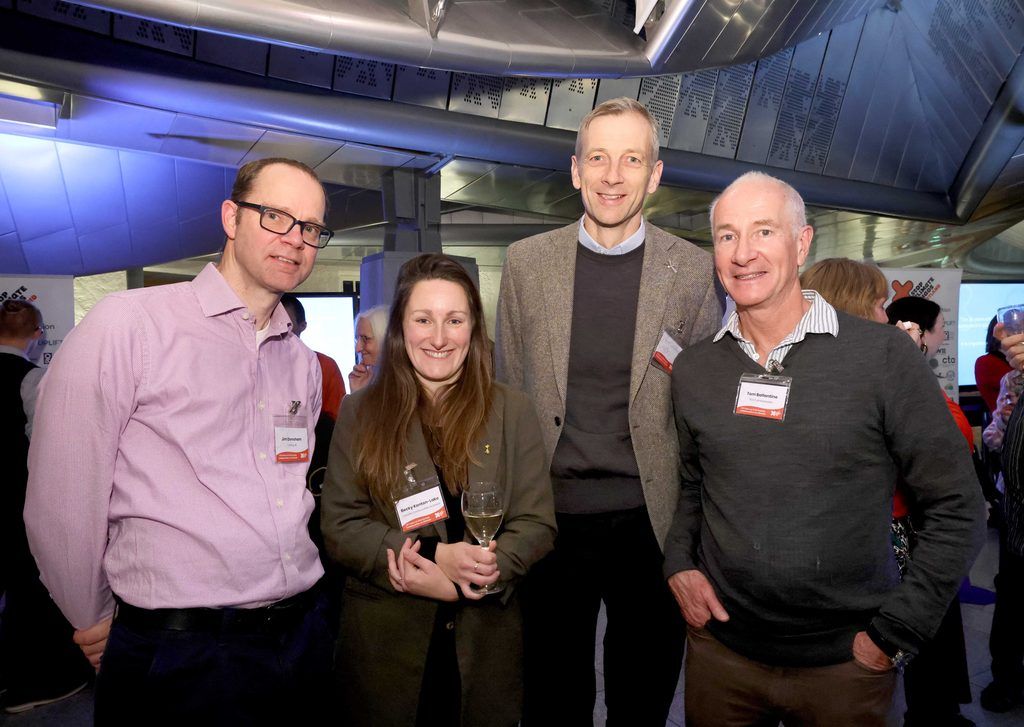
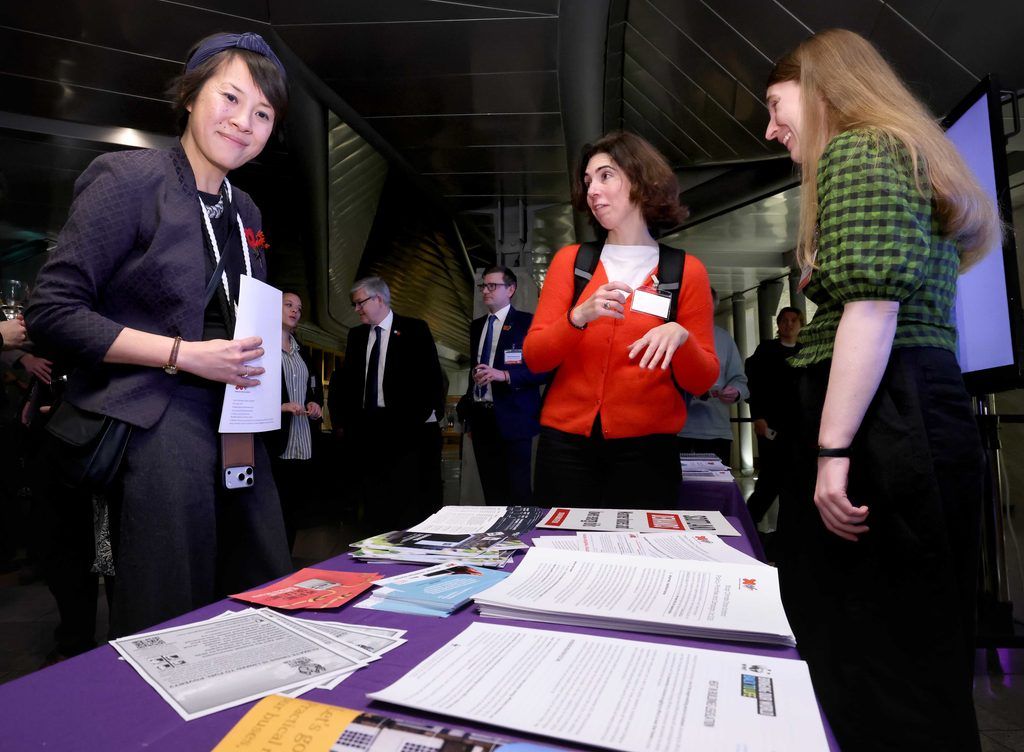
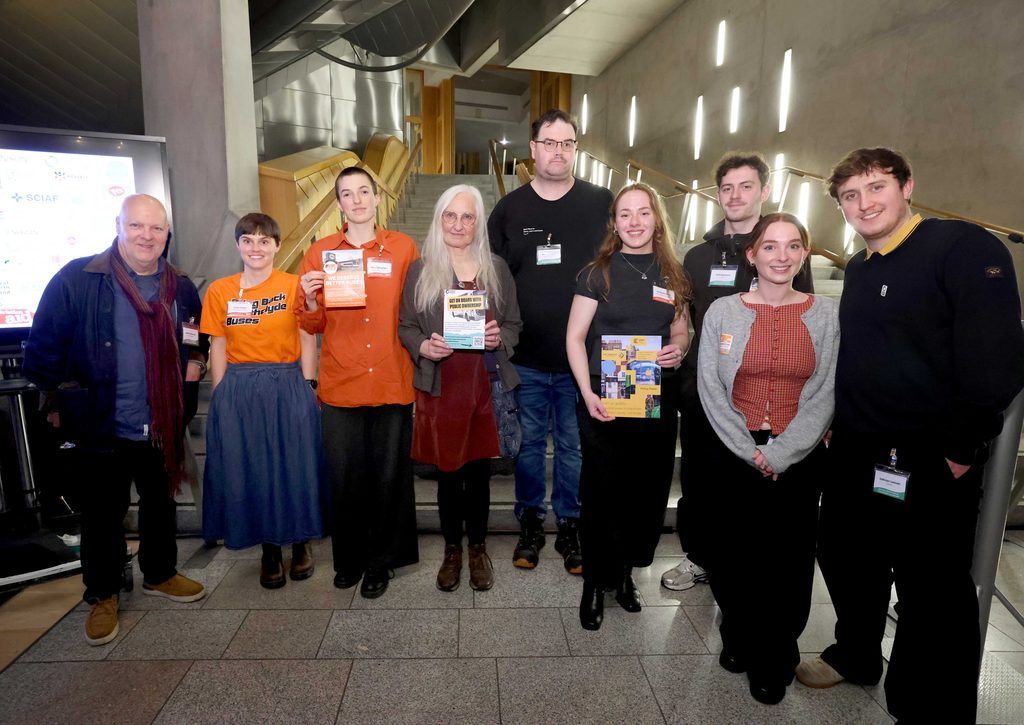
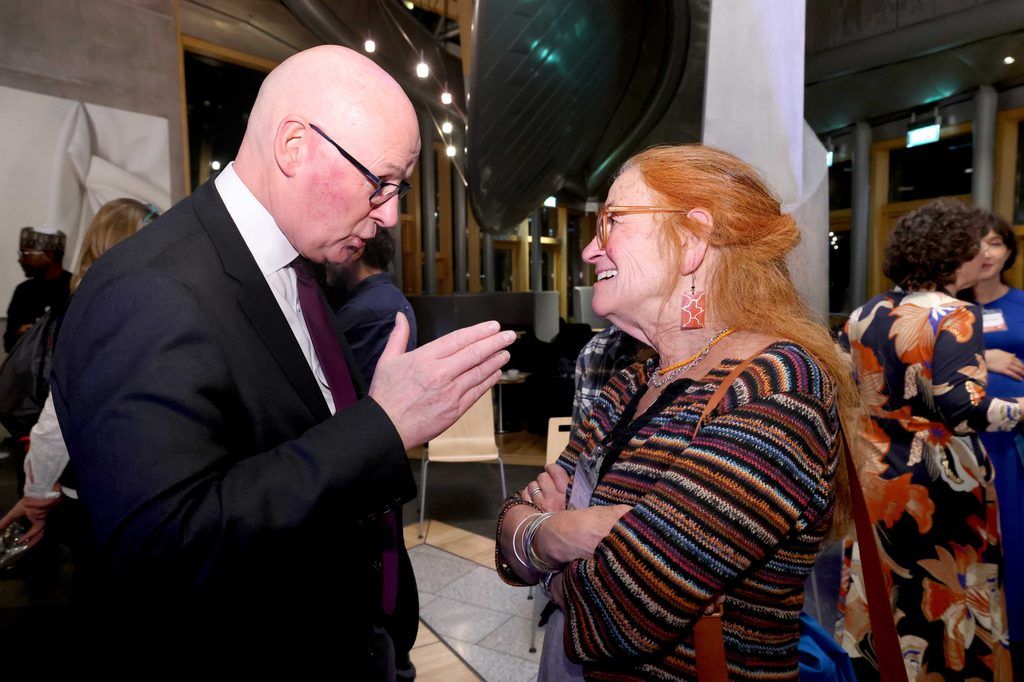
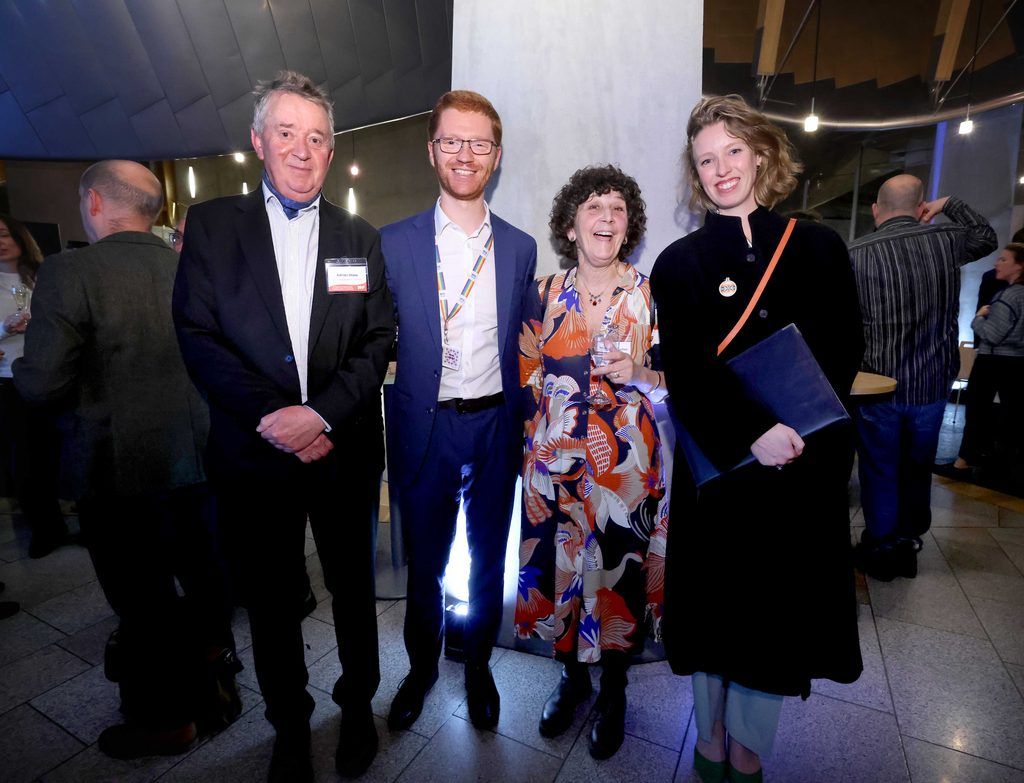
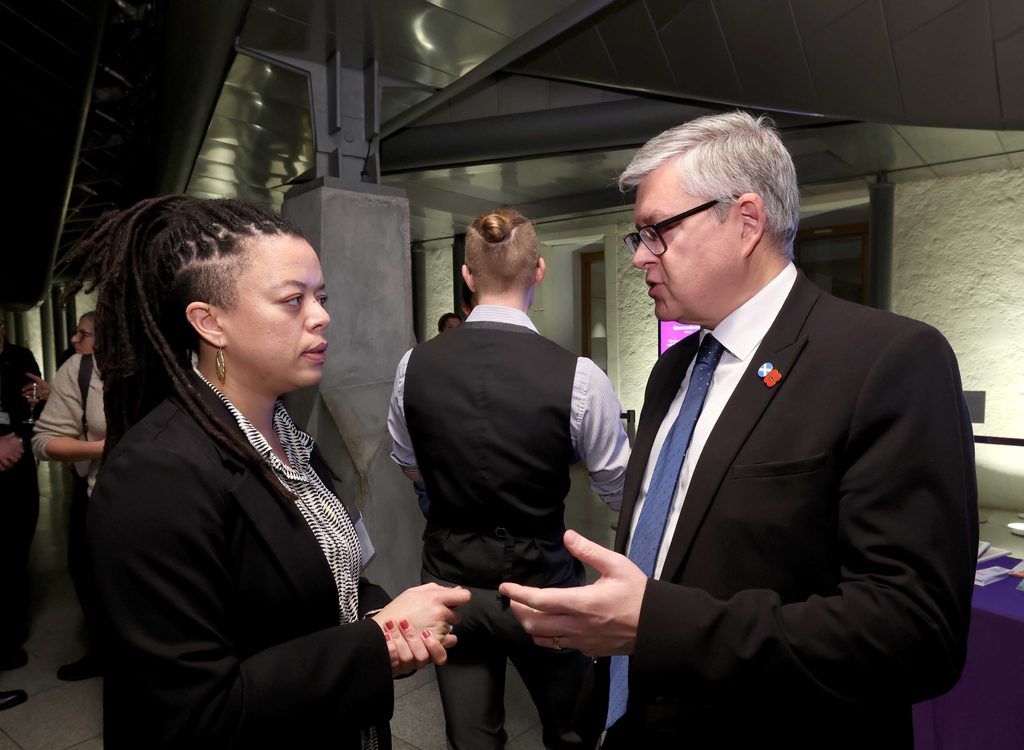
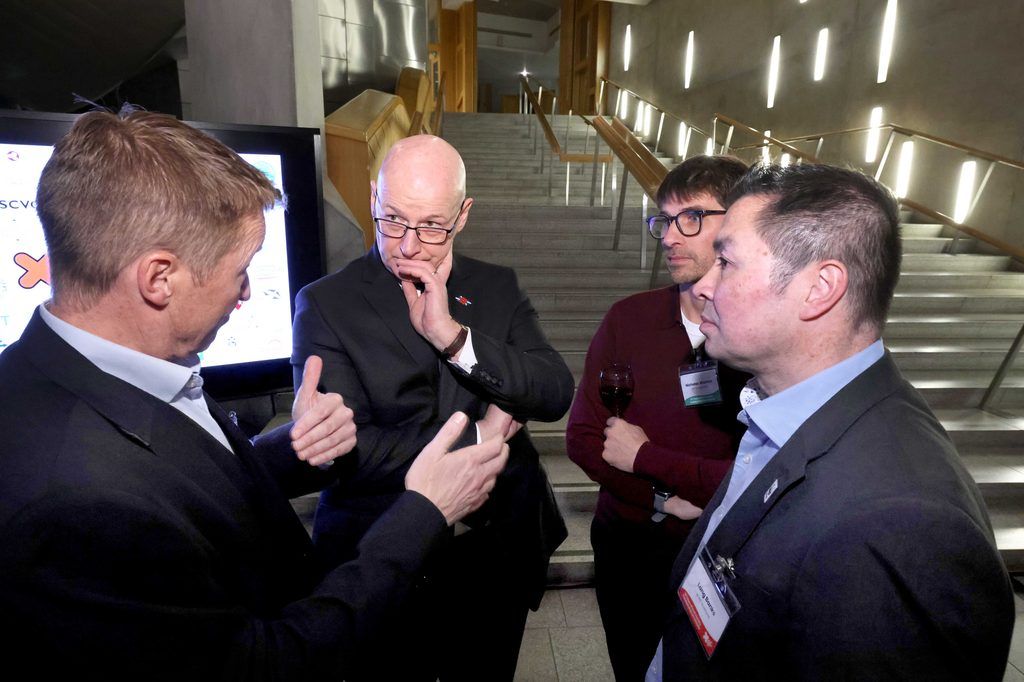
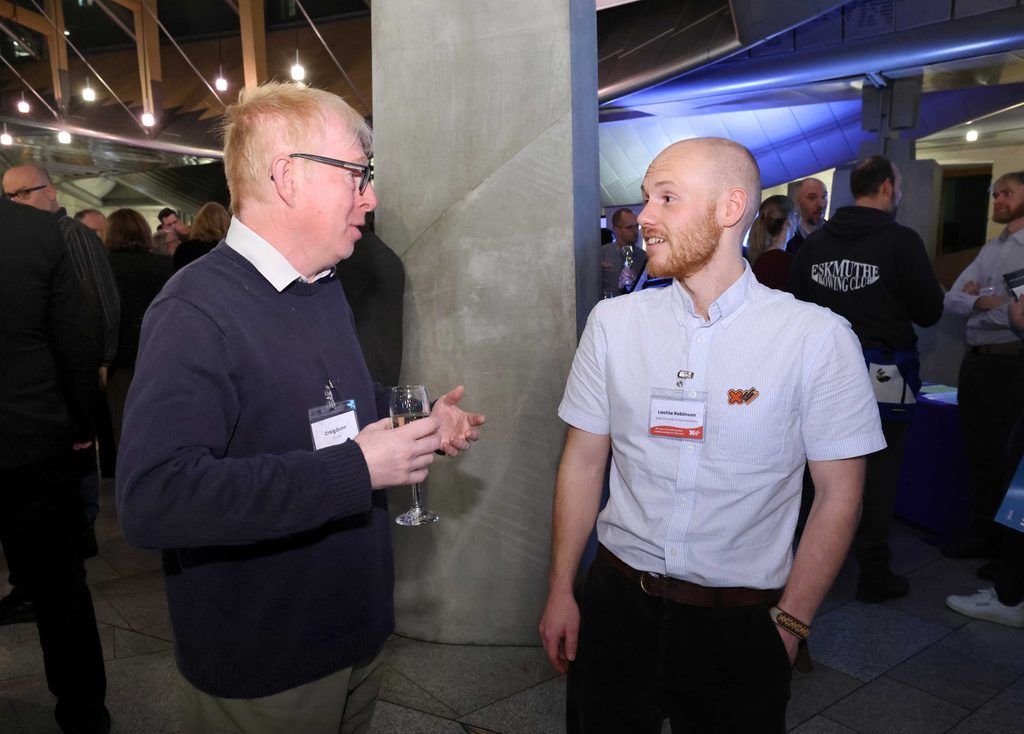
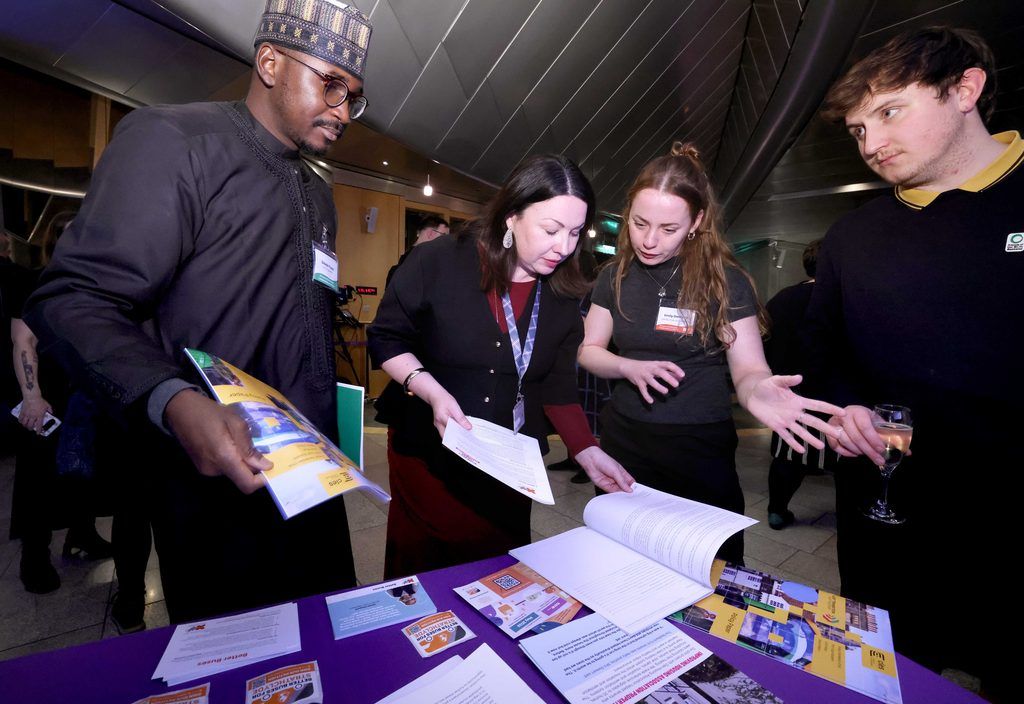
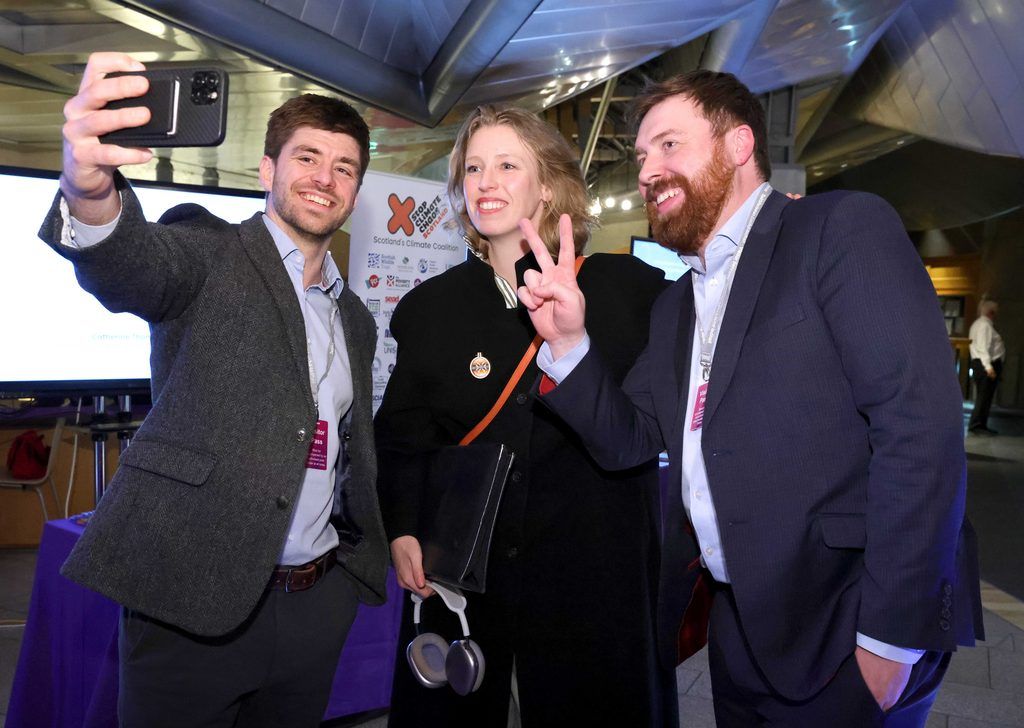
The coalition, officially formed back in 2006, welcomed around 200 members and guests to celebrate the milestone at a packed-out reception in the Garden Lobby at Holyrood on 10 November.
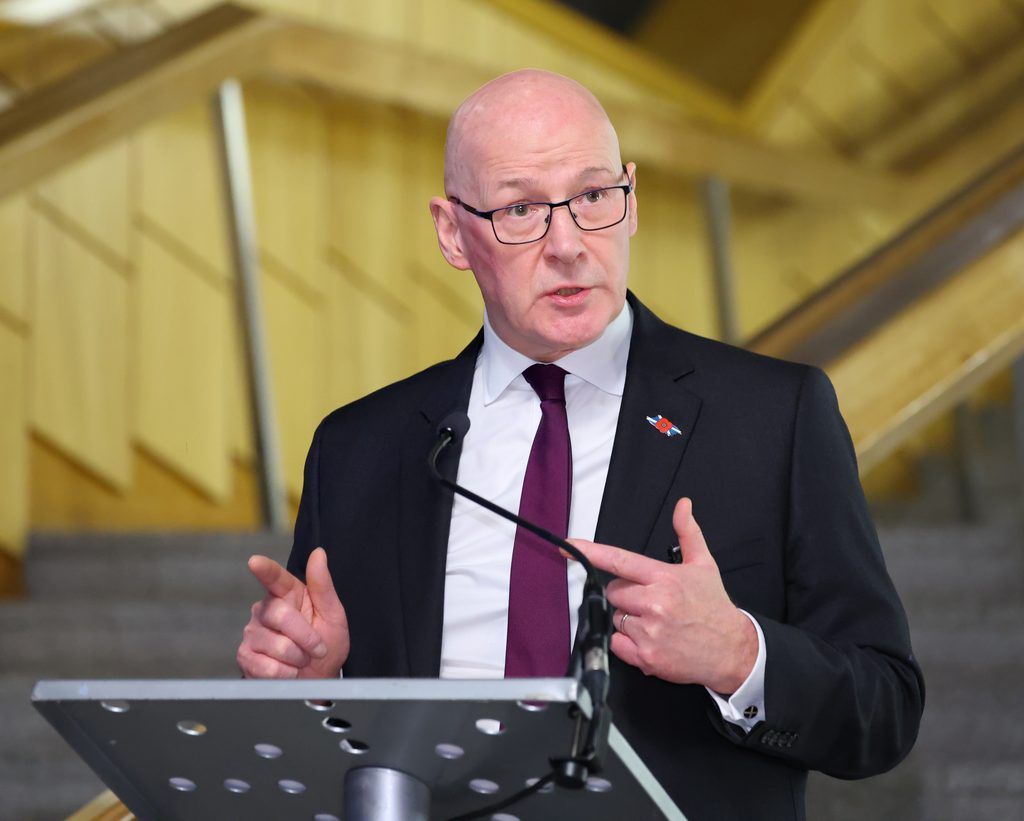
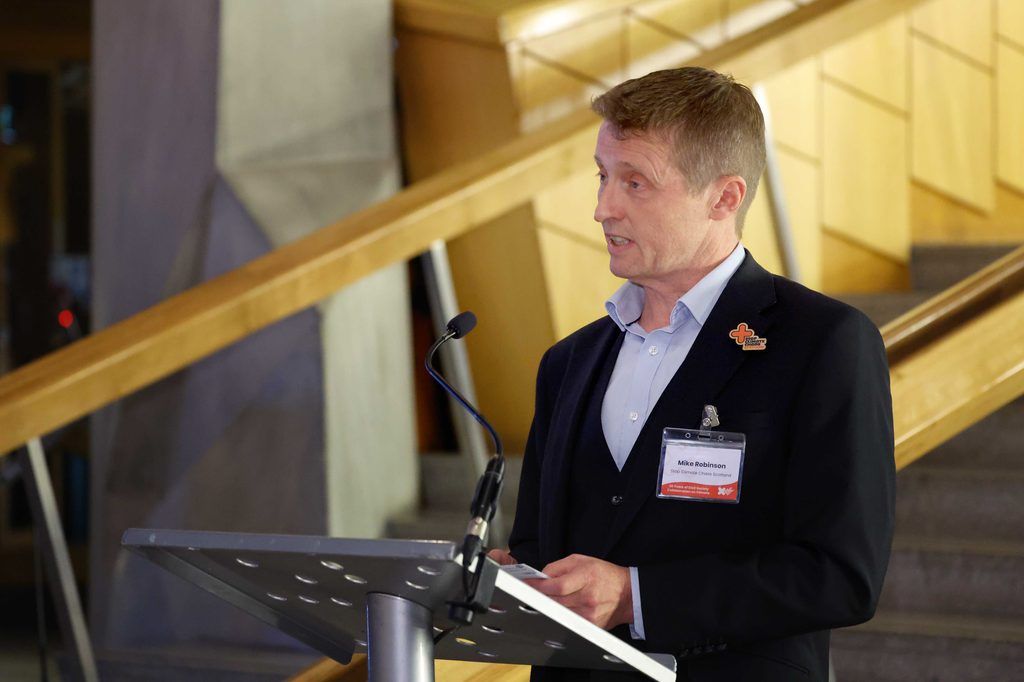
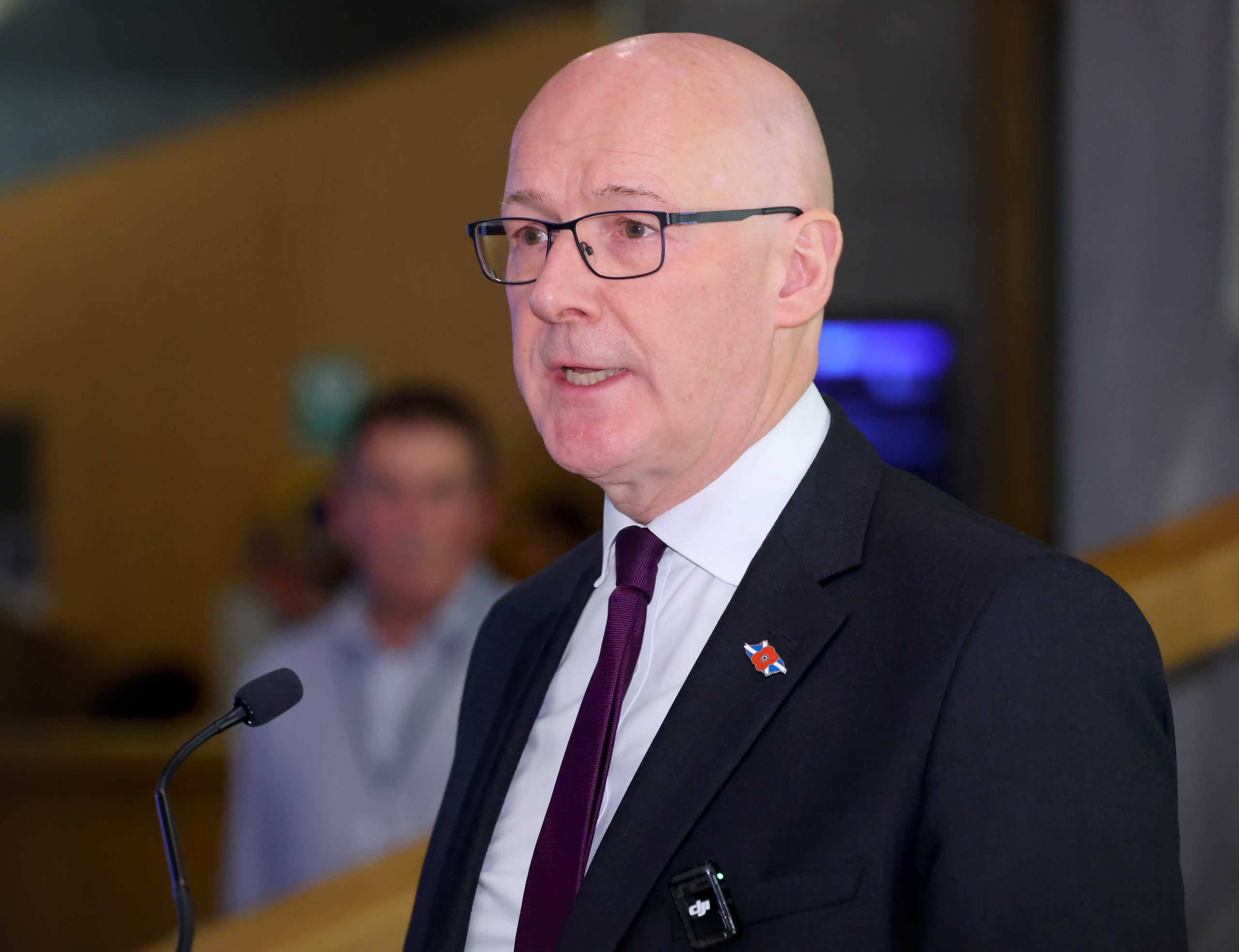
Hosted by SCCS chair Dr Mike Robinson OBE, the event featured an impressive list of speakers – including First Minister John Swinney and Scottish Greens MSP Mark Ruskell, who sponsored the evening.
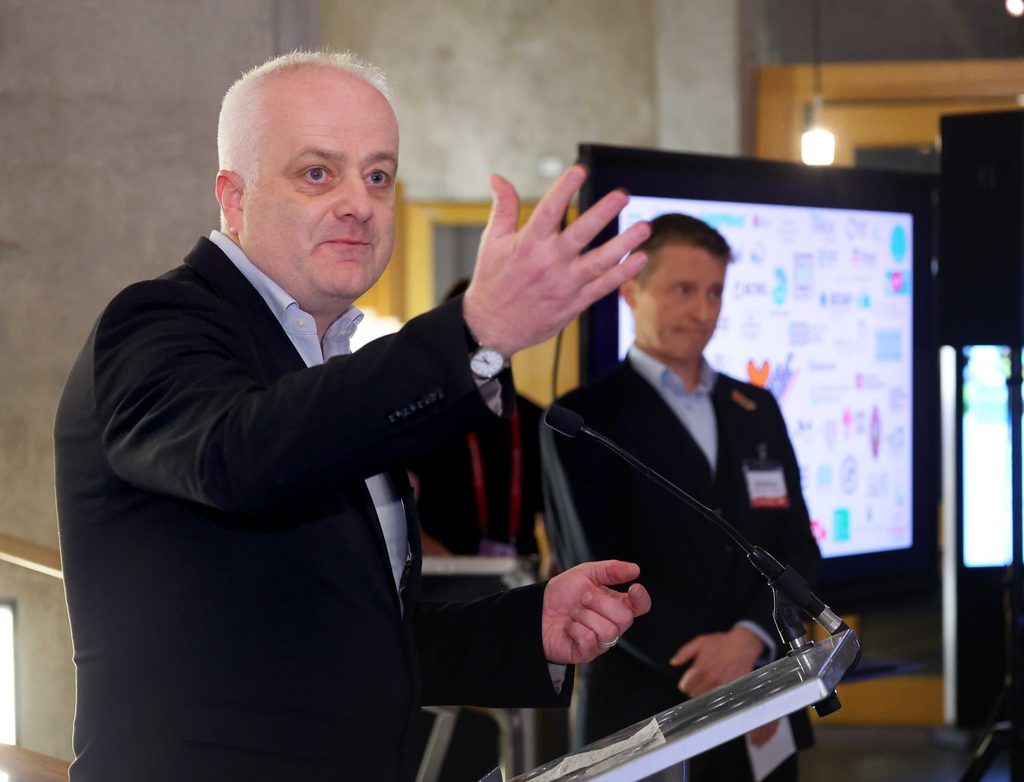
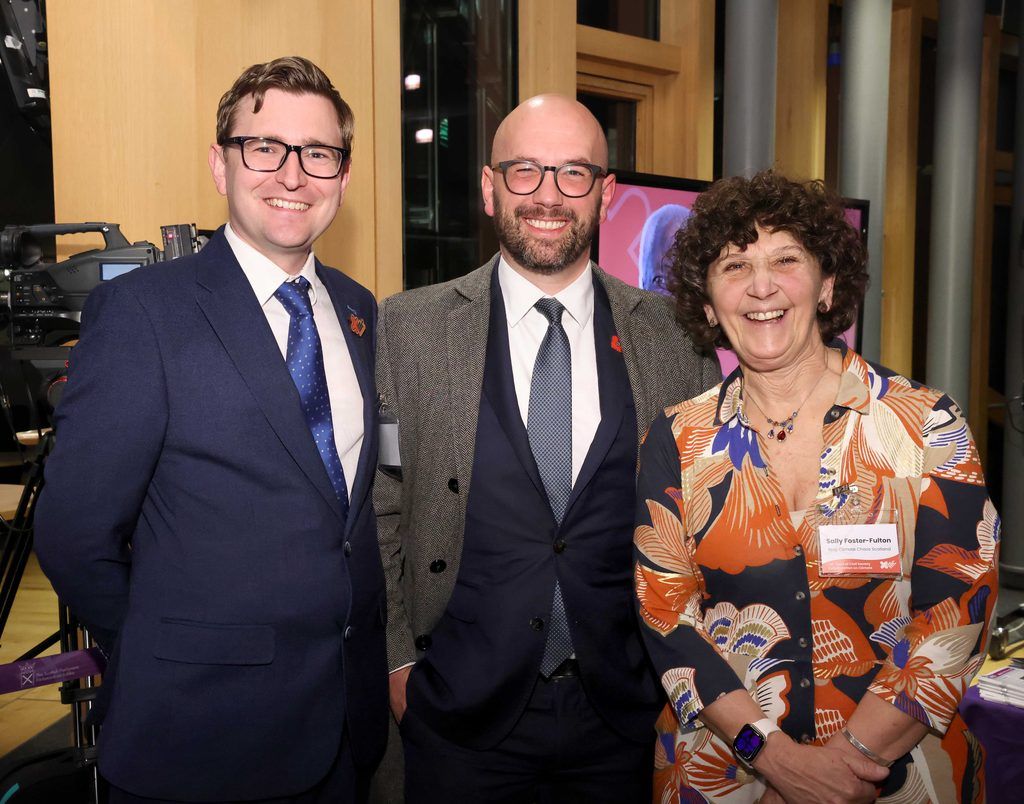
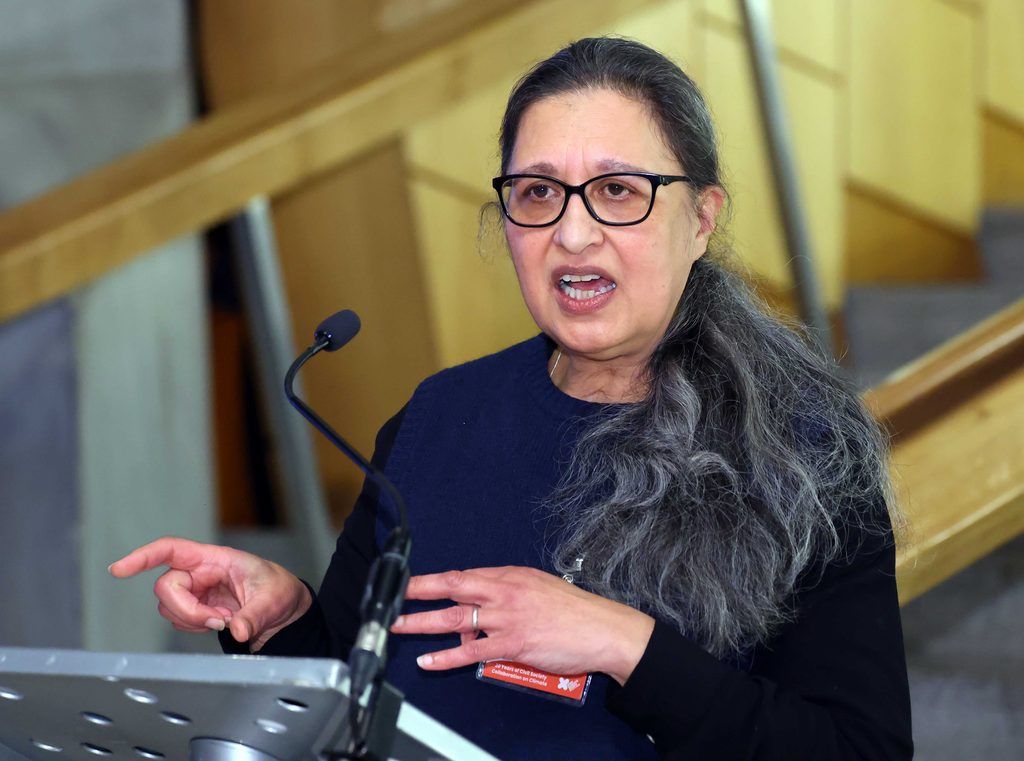
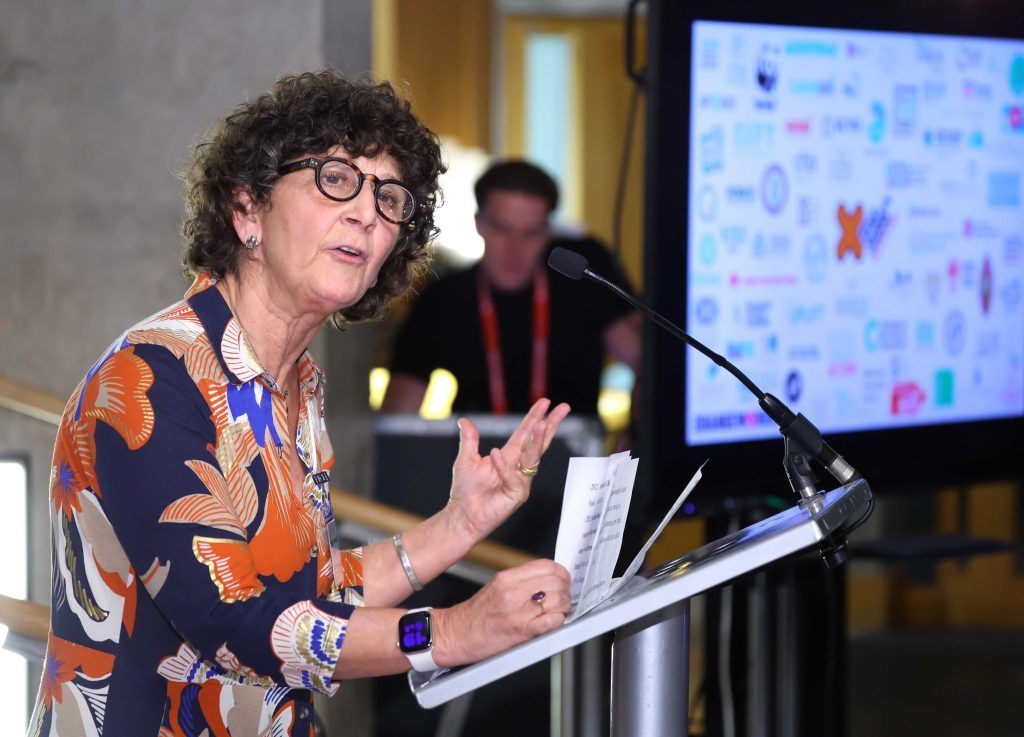
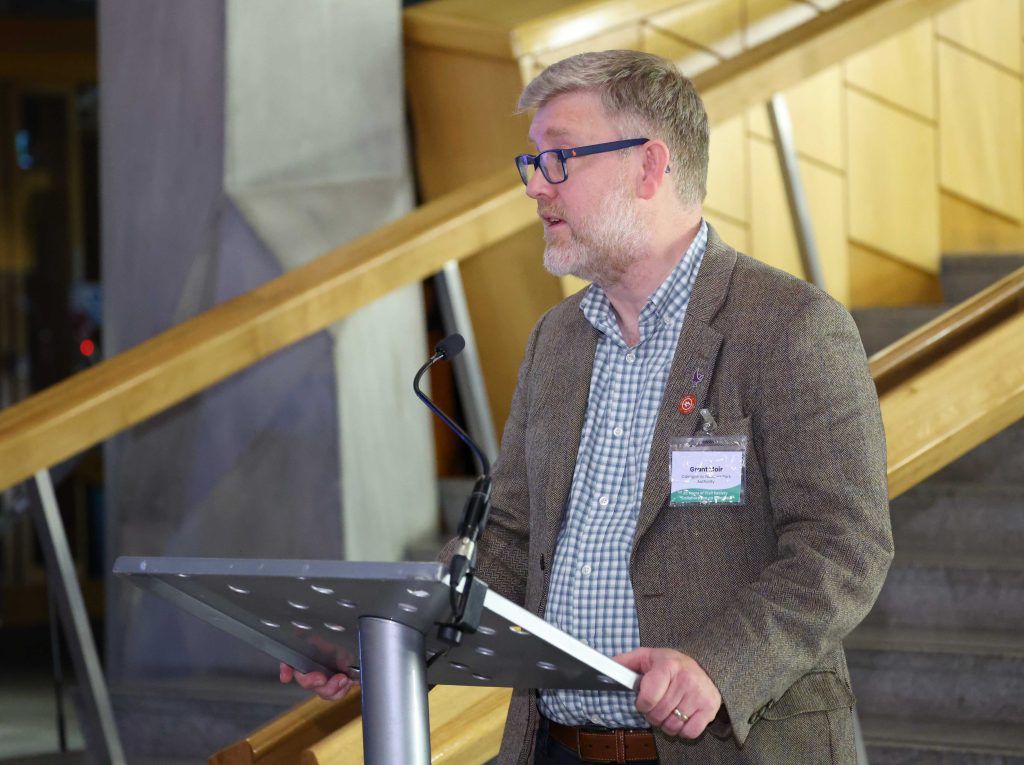
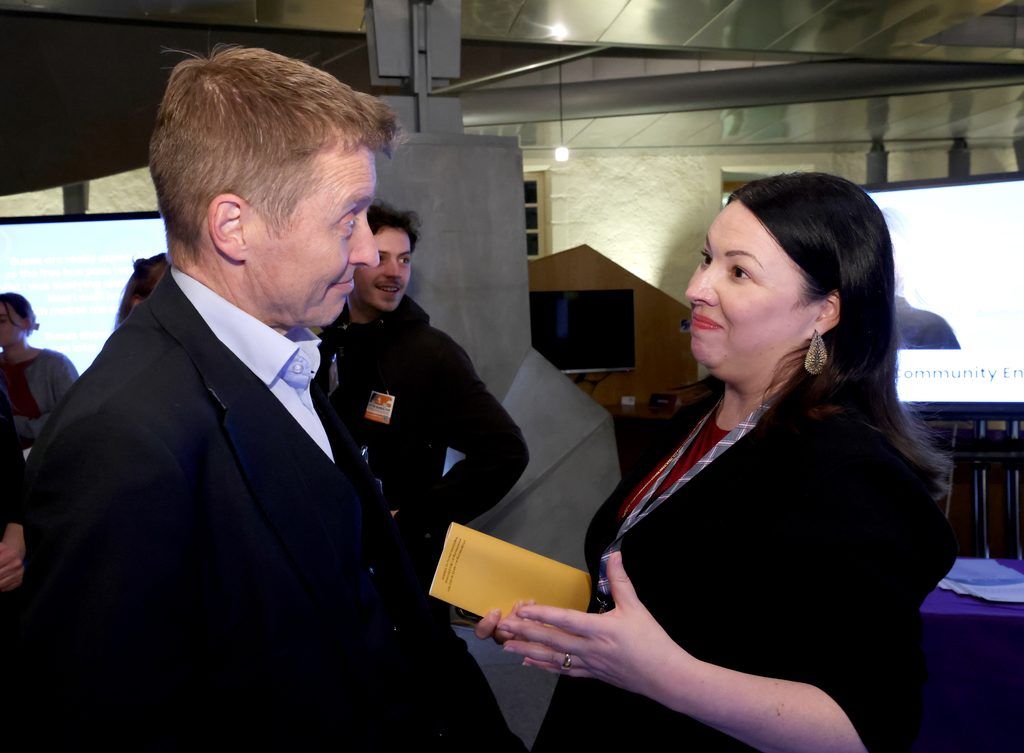
The gathering also heard from Grant Moir, chief executive of Cairngorms National Park Authority; Satwat Rehman, co-chair of the Just Transition Commission; and the Very Reverend Sally Foster-Fulton, Church of Scotland minister and former Moderator of the General Assembly.
A wide range of issues were discussed, from wildfires and other impacts of climate change to the multiple benefits that strong action to cut emissions can have on poverty, inequality, jobs, the economy and the natural environment.
There was also the first ever screening of SCCS’s new short film, featuring real-life stories from Scots who are embracing and benefitting from the green transition.
Strong public support for climate action in Scotland
Introducing the event, Mr Ruskell welcomed everyone and outlined some of the progress happening across the nation.
“Jobs are being created, communities are being strengthened, great stuff is happening in the name of climate action,” he said, “and we’re seeing increasingly communities getting involved in adaptation as well as cutting emissions, improving quality of life, work from community food-growing to circular economy to active travel.”
He reminded the audience of their importance in holding “successive governments’ feet to the fire over the need for action” to meet climate goals.
He recalled the Scottish Parliament’s first ever inquiry into climate change. “I think it only ran for three weeks,” he said. “There wasn’t a climate committee at the time, but what we were told by experts was that we were going to see more extreme weather in Scotland – floods, storms, droughts and wildfires – and of course we have seen that this year, 20 years on. Those predictions were absolutely spot on.
“So we know what’s coming, and I think this underlines for me why Stop Climate Chaos Scotland is needed more than ever.”
But the “really good news is that there is continued strong public support for action, despite what you might be reading in the newspapers”, he said, with surveys showing three in four people across the UK are deeply concerned about climate change and want to see governments taking action.
He added: “We know that there is cross-party support from voters as well,” and that the majority of Scots want to see a fair phase-out of oil and gas.
He concluded: “There is more work for us to do to build that political consensus for a fast, fair and funded transition. We’re going to have a key role in driving that forward, as we have done for the last 20 years, you’re going to drive that forward for the next 20 years, so thank you very much for being here and the work that you do.”
Two decades of climate leadership
In his opening speech, the SCCS chair outlined some of the landmark progress on climate action that the coalition has been involved in shaping over the past 20 years – from the ground-breaking Climate Change (Scotland) Act 2009 to Scotland’s world-leading 2030 and 2045 emissions targets and funding for climate justice and loss and damage. Over this time, Scotland has earned a reputation for international leadership on climate ambitions.
“I am unbelievably proud of what we’ve all achieved together,” he said, and thanked SCCS members, supporters and politicians for their part in that progress.
However, he warned that the country is at risk of losing its leadership credentials due to a combination of factors. And he questioned what sort of future young people can expect as the impacts of climate warming ramp up and consensus on tackling it breaks down.
He said: “SCCS has worked tirelessly for the past 20 years to retain an unprecedented collaboration across civil society and beyond. We have worked closely with this government and together delivered a great deal, but we have a great deal more to do.
“There is a massive undercurrent of public concern right now, evidenced by the continued growth in the membership of SCCS, but we still need our coalition to be broader and more unified than ever, and we will continue to do everything we can to bring that about.
“This needs more than just civil society. We need everyone – our business leaders, public institutions, boards – to come together around a shared national purpose.”
The emergency is well and truly upon us
He highlighted how the escalating impacts of climate breakdown are affecting people everywhere, including Scots.
“This has been a pretty difficult year – droughts, flash floods, landslides, glacial collapse, 30C oceans, heatwaves, wildfires, AMOC slowing down, the El Nino forecast to bring about food shortages,” he said. “The emergency is well and truly upon us.”
First Minister: we must confront those who deny the science
First Minister John Swinney echoed the concerns and pledged his ongoing commitment to climate action. But he also pointed to increasing challenges due to polarisation among political parties.
“I want to primarily use this evening as an opportunity to pay tribute to the contribution that has been made by Stop Climate Chaos Scotland in leading the arguments and debates that have been so influential in the journey of this parliament over the last 20 years,” he said.
He reflected on the time when the first Scottish legislation on climate change was being considered. “Our objective in trying to take that legislation through parliament was to get parliament united behind it because we recognised this was not a short-term endeavour, this was an endeavour that would require commitments over multiple parliaments, and that we had to try to build the agreement that we give everybody – whether you were an activist in Stop Climate Chaos or an investor in some of the transitional mechanisms that were required in our society – the confidence that there would be sustained policy agenda determined to tackle climate change within Scotland that would transcend change of government.”
He added: “The issue of consensus was vital, and unanimity was vital. And I’m glad, with a lot of compromise – we didn’t command a majority at that time, nor do we command a majority just now – but we were able to agree legislation unanimously in this parliament. And I think that has served us well because the realities of climate change are all around us to see.”
But he conceded that parliament today is “different”, because it “now has people who don’t believe what I just said to you”.
He said: “Parliament has members who don’t agree there is a climate emergency, and do not agree that we need to take action to tackle the climate emergency.”
He said we need to confront those who “deny the undeniable” – the climate science that has structured so much of the thinking on action to battle warming.
He added: “If we don’t face up to those critics, to those who deny that science, then we won’t be able to honestly face up to the challenge” of building a safer future for the next generation.
He continued: “Let me use tonight as the opportunity to absolutely reaffirm my commitment to that journey of climate action and the necessity of tackling these issues in our society.
Call for a fast, fair and funded climate plan
Dr Robinson called on leaders to step up action so we can “look our young people in the eye”. He added: “We cannot keep borrowing from their future and simply apologise because other issues seem more pressing.
“I want Scotland to recapture that leadership, to deliver a fast, fair and fully funded action plan. Climate is so fundamental to all of our lives, it should be at the top of our priority list.”
“We are all of us aware of the clear scientific, moral and economic imperatives of action, but we’re still not really seeing that translating into real commitment,” he said.
“It is time to act like this emergency that we all know it is.”
What needs to happen next on climate action in Scotland?
Strong and swift action must be targeted at the highest-emitting sectors, while support must be targeted at those on the lowest incomes, so that we tackle inequality at the same time as fighting climate change.
SCCS is calling for action on: making homes warmer, healthier and cheaper to run; ramping up rollout of green heating; charging the private jetset for their high-flying luxury emissions; improving and reducing the cost of public transport to help people get to where they need to go and get traffic off roads; and increasing levels of community ownership of renewable energy to put power supplies and the cash generated into Scottish hands. ⏹
Notes
- 3 in 4 people in the UK are concerned about climate change
- 79% of SNP voters support the net zero target
- The majority of Scots support the phase-out of oil and gas in favour of renewables