Leaders must “wake up to the reality of climate change” and the devastating impacts it is having on our way of life and plan ahead to keep people safe, Scottish climate campaigners have warned.
Fraser Sutherland, coalition manager for Stop Climate Chaos Scotland, said:
“This summer has been the UK’s hottest ever, with hot, dry and dangerous conditions.
“There have been back-to-back scorching heatwaves, extended drought, destructive wildfires, water shortages and even flash flooding.
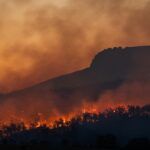
“Here in Scotland, where the heatwaves have been less intense, we have still seen major fires ripping across the countryside. Communities in the Cairngorms, where a huge wildfire burned for two weeks, know first-hand how terrifying and vicious these blazes are.
“There is no question that climate change is a major factor in these extreme and abnormal conditions, which are having devastating effects on people’s everyday lives – from unnecessary heat-related deaths, to loss of crops, damage to infrastructure and disruption to schools, hospitals and transport.
“Action must be taken to protect Scottish people and landscapes.”
The recent fire in the Cairngorms demonstrated the scale of this challenge. It affected a large area, including important native pinewoods, and threatened local communities.
The firefighting effort continued for several weeks and involved the Scottish Fire and Rescue Service (SFRS), land managers and gamekeepers, public bodies, local businesses, volunteers and residents. The SFRS described the blaze as one of the most significant and resource-intensive wildfires in recent years, requiring the deployment of more than 500 firefighters.
Mr Sutherland continued:
“Leaders must wake up to the reality of climate change and the urgent need to change our way of life to protect people, the economy and the planet.
“The science is unequivocal – burning fossil fuels is the biggest driver of rising global heat.
“The solutions are similarly clear – phase out oil and gas and move swiftly and fairly to a low-carbon society. This will bring multiple benefits, improving health, wealth and well-being while curbing climate-warming emissions.
“We must also restore and better manage natural habitats and landscapes by planting native trees, rewetting peatlands and using grazing animals to keep vegetation in control. These measures increase resilience to wildfires and other climate–related impacts.
“More effective safeguards must also be put in place to protect people and places against the worst consequences of climate breakdown, including effective emergency services for dealing with crises like wildfires and flooding.”

BACKGROUND
- 2025 was the UK’s worst year for wildfires on record, and three of the five largest wildfires ever recorded in the UK have happened in Scotland since 2019. Formal climate attribution studies show that human-caused climate change is making the hot, dry and compound weather conditions behind these fires significantly more likely in Scotland.
- Scotland needs to learn from recent fires and strengthen wildfire prevention and preparedness, including ensuring the Scottish Fire and Rescue Service and other partners have the resources they need.
- Nature restoration can help reduce the risk of large-scale wildfire by creating wetter, more resilient landscapes that are less prone to rapid fire spread.
- Wildfire policy needs to support Scotland’s wider climate and nature objectives. There is no single solution to wildfire risk, and approaches need to reflect local conditions.