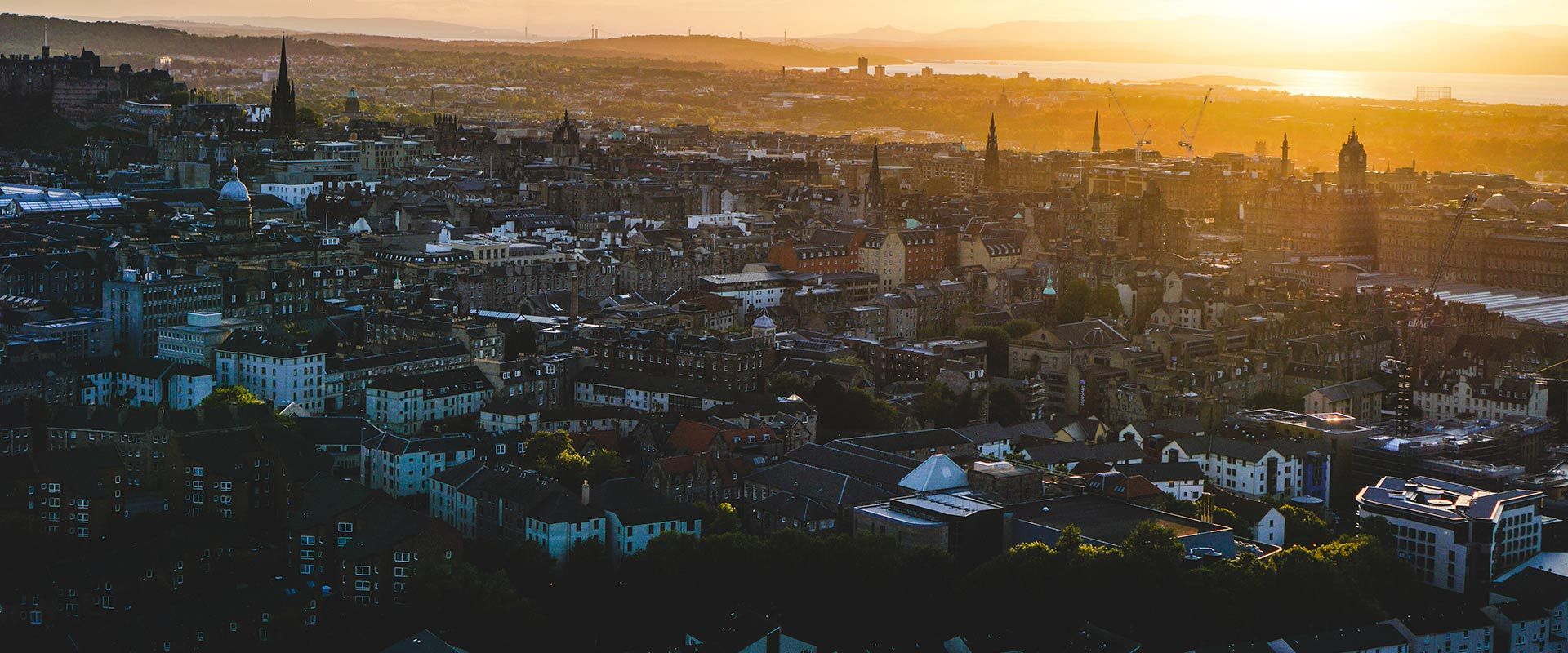
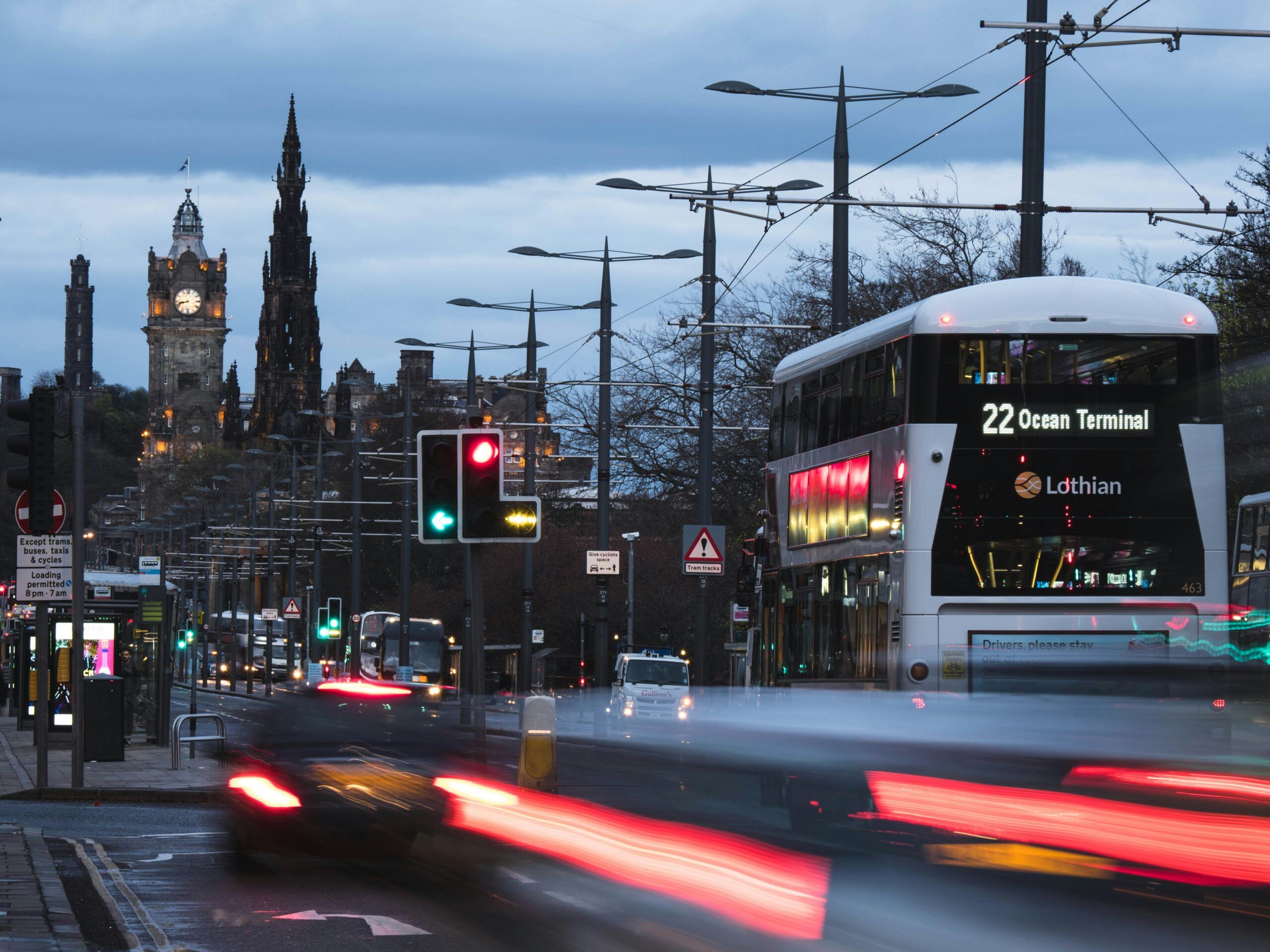
Photo by Eric Veiga on Unsplash
By Dr Mike Robinson, chair, Stop Climate Chaos Scotland
The bombing may have stopped, for now at least, but the oil price consequences of the war on Iran are still rippling out across the world. Due to the structure of the international markets, these delayed consequences are being felt first and worst in east Asia and Australasia, but we will not be immune to what’s heading our way.
Some of these countries have been quicker than others to respond, and there are some good ideas coming forward. The primary driver is to save fuel and therefore save people money. We did this in the UK during the 1970’s oil crisis – which saw speed limits reduced nationwide and people encouraged to drive slower or utilise public transport. Scotland, fortunately, has the opportunity to learn from these examples and should take the best of them forwards after the election.
In Australia, the states of Victoria and Tasmania have brought in temporary free public transport, as has Islamabad in Pakistan. This is not a new idea, and it is clearly driven more by skyrocketing bills than by concerns about climate change. But elsewhere this same approach has been in place for years.
Montpellier, near the French Mediterranean coast, made the same change on a permanent basis at the end of 2023, covering buses and trams. The wider city is a little smaller than Edinburgh or Glasgow, and yet the revenue was there to add a fifth tram line in 2025. Meanwhile our ambition is lacking – Edinburgh merely creeps toward its second line, and Glasgow’s subway hasn’t been extended since it opened in the Victorian era.
The Montpellier experience shows the range of benefits this kind of action can bring. The city still brings in revenue, for one thing – the free travel is for local residents, not visitors. And car-dependence has fallen sharply since it was introduced, from 70% beforehand down to just 51% last year. Walking and cycling are up too, as the congestion drops and urban spaces just become more enjoyable to be in.
This is the direction the new Scottish Government should be moving in after next month’s election, not just for city residents. Across rural Scotland, buses are just hanging on, seen as a cost rather than a vital public service. Outside the big cities, cutting costs won’t be enough; we need to see improvements to frequency, reliability and services offered.
Alongside free buses and other public transport, there are many other measures available to cut people’s travel costs that would, together, form a coherent package of improvements. Massively reducing car-dependence, and the costs associated with it, is practical and proven for cities, but in rural areas electric vehicle affordability and charging will be key. Without it we risk undermining tourism in the region as more and more countries’ manufacturers make the switch to electric. This again should be seen as public infrastructure, not a cost, and will unlock many other benefits, such as the ability of EV batteries to store power for use during times of high demand and keep costs down.
As with improving pedestrianisation and expanding cycle lanes, this is not a quick process, but in both cases the need is to move faster and in a more organised way, not start from scratch.
The most long-term part of a package like this would be to start to turn planning around to make more walkable places the default. All too often new housing is poorly supplied with shops, social spaces and public services, let alone reliable public transport to key areas for commuting and leisure. Changing the planning rules to make sure people living in these new estates have as much as possible on their doorstep is something ministers could and should have done years ago, but the second-best time to start is now.
Overall, it is no coincidence that the changes we can make today to head off the economic consequences of the war on Iran are the same changes we should have made years ago to both cut bills and tackle climate breakdown.
Over to you, First Minister, whoever you may be. ⏹
* This article first appeared in The National