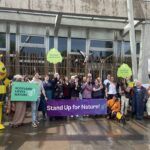

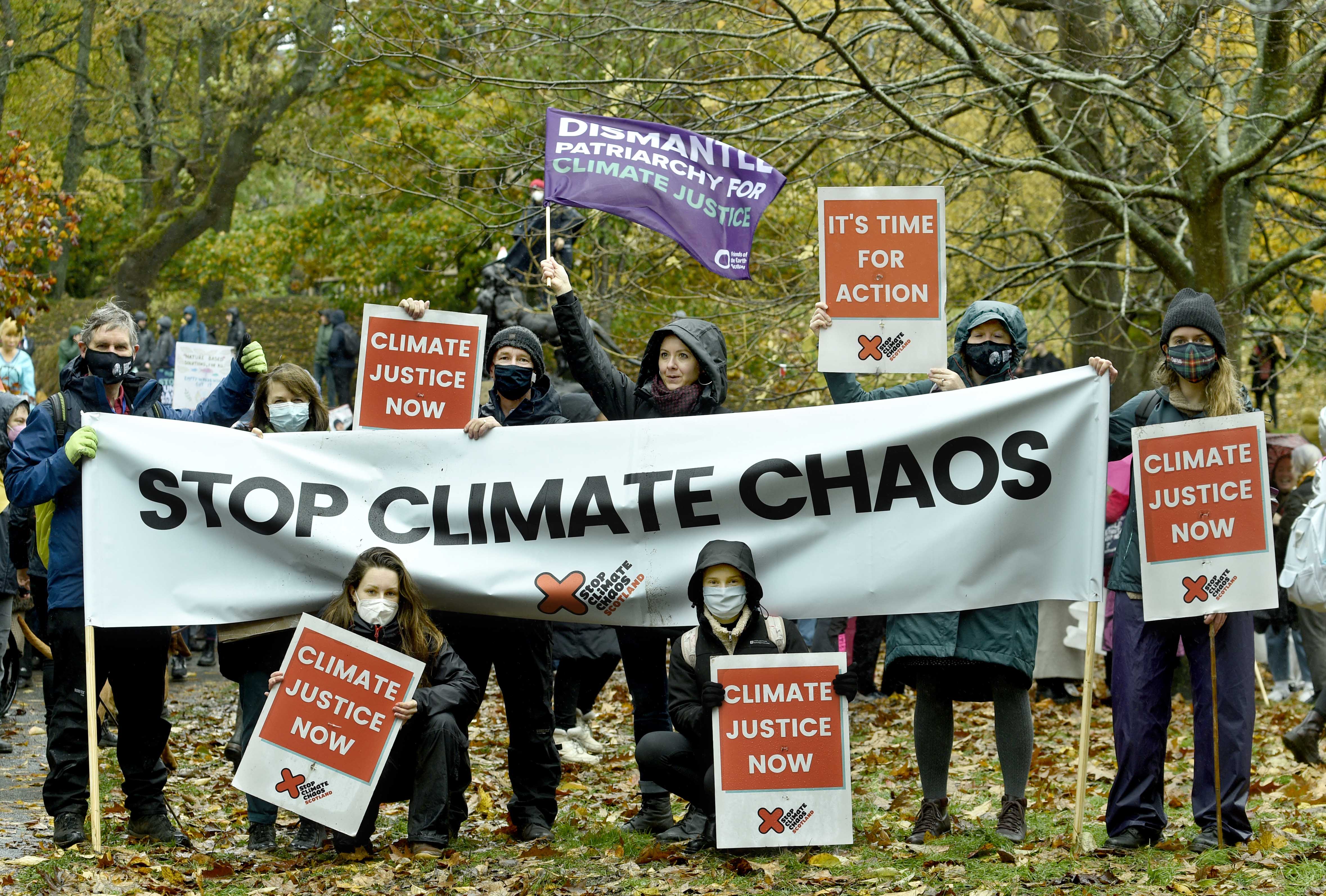
A diverse group of campaigners came together in the historical heart of Edinburgh recently to catch up and share stories at the latest SCCS annual gathering.
The formal part of the mini conference included presentations from the SCCS team, as well as speakers from member groups, break-out workshops, Q&As and an impromptu topical quiz – all aimed at how we collaborate to deliver meaningful change and best work with local communities and the new Scottish Government to achieve this.
It was the first such gathering for Fraser Sutherland, who recently took over as SCCS coalition manager. Acting as host, he welcomed attendees and introduced the guest presenters.
First up was SCCS chair Dr Mike Robinson, who gave us a potted history of the coalition – now the biggest in the country – as it marks its 20th anniversary this year. He described how the organisation came into being and some landmark achievements over the past two decades – with highlights such as influencing Scotland’s historic Climate Change Act (2009) and input on loss and damage funding from Scotland for international communities suffering the worst impacts of extreme conditions. He also spelled out that, “unfortunately”, there is much still to be done to bring greenhouse gases into check.
Satwat Rehman, chief executive of charity One Parent Families Scotland and former co-chair of the Just Transition Commission, spoke about the “hard truth” that climate change hits the poorest and most disadvantaged in society the hardest but many of these groups seem “invisible” to policymakers – including women, children, unpaid carers, single-parent families. She also stressed the importance of “feeling the benefits” of a just transition.
Lloyd Austin, policy adviser and founding member of SCCS, gave a round-up of post-election priorities for the coalition, as well as an explainer of negative emissions technology – and the reasons why Scottish ministers should not rely on these unproven schemes to get carbon reductions over the line at the last minute.
Andrew Midgley, senior land use policy officer for RSPB Scotland, discussed agriculture, land use and forestry, responsible for the biggest share of Scotland’s total greenhouse gas emissions. He reinforced the need for better management of land, which also holds enormous potential for capturing carbon if the right approaches are taken – like using agricultural subsidies to incentivise greener farming methods and nature-friendly planting.
Jim Densham, policy manager at Cycling UK, described key issues in the transport sector – another climate pollution baddie – and some of the solutions. He raised concerns over the fact that emissions from the sector, which had seen a short-term drop during the Covid pandemic, had bounced back up and any progress on reductions came from a shift away from petrol and diesel to electric vehicles. He repeated the need for better, cheaper and greener public transport, and improvements to walking and cycling infrastructure. He also questioned whether green jet fuel is a realistic option for combatting emissions from flying.
The delicate balance between criticising government failures to achieve carbon reductions in buildings and the potential to increase polarisation and aggravate a rising anti-climate narrative was addressed by Clare Daly, head of policy and advocacy for WWF Scotland. She rounded up with a reminder of the “crucial” role heating in buildings will play in cutting emissions, and how energy was one of the biggest and most contested issues on the recent election campaign trail.
Energy was also the hot topic for Io Hadjicosta, policy adviser at Uplift, who drew attention to some of the issues causing concern and standing in the way of progress – including the electricity pricing system, a lack of progress on heating and energy-efficiency in homes, sources of investment and public opposition to infrastructure extensions and upgrades.
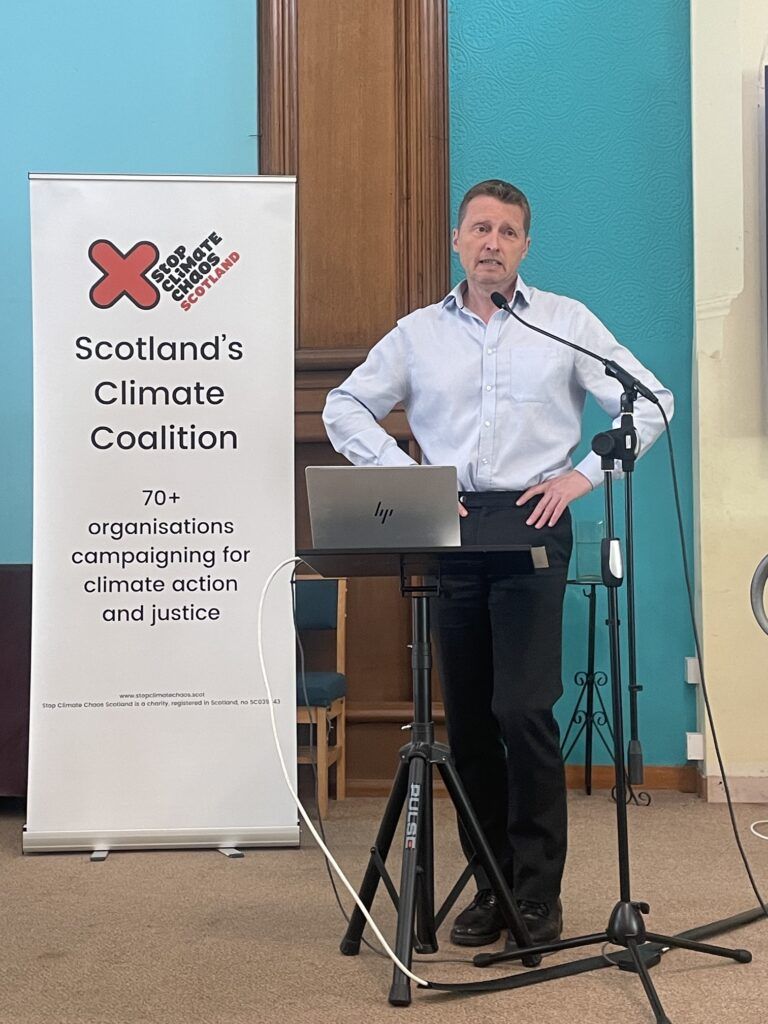
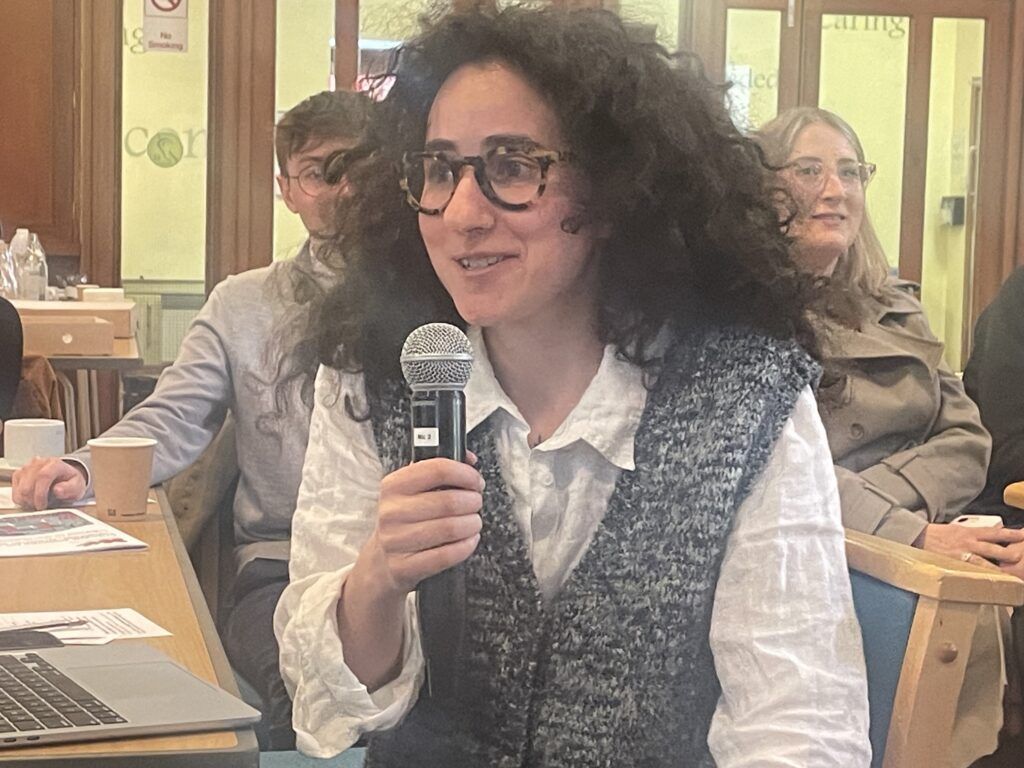
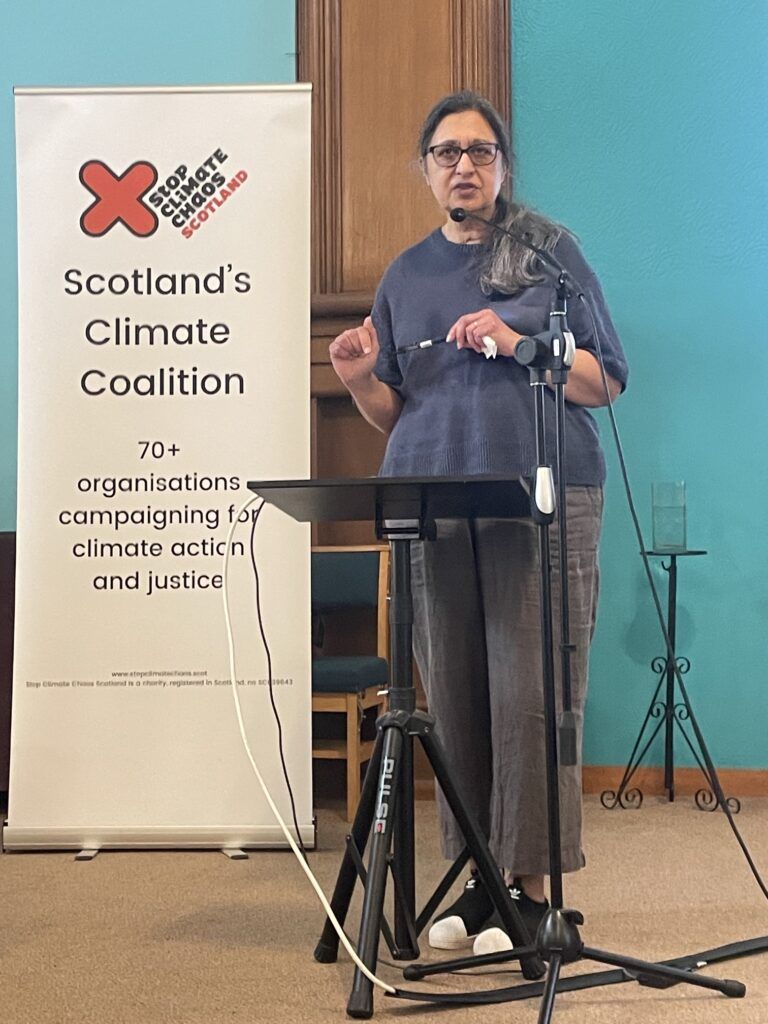
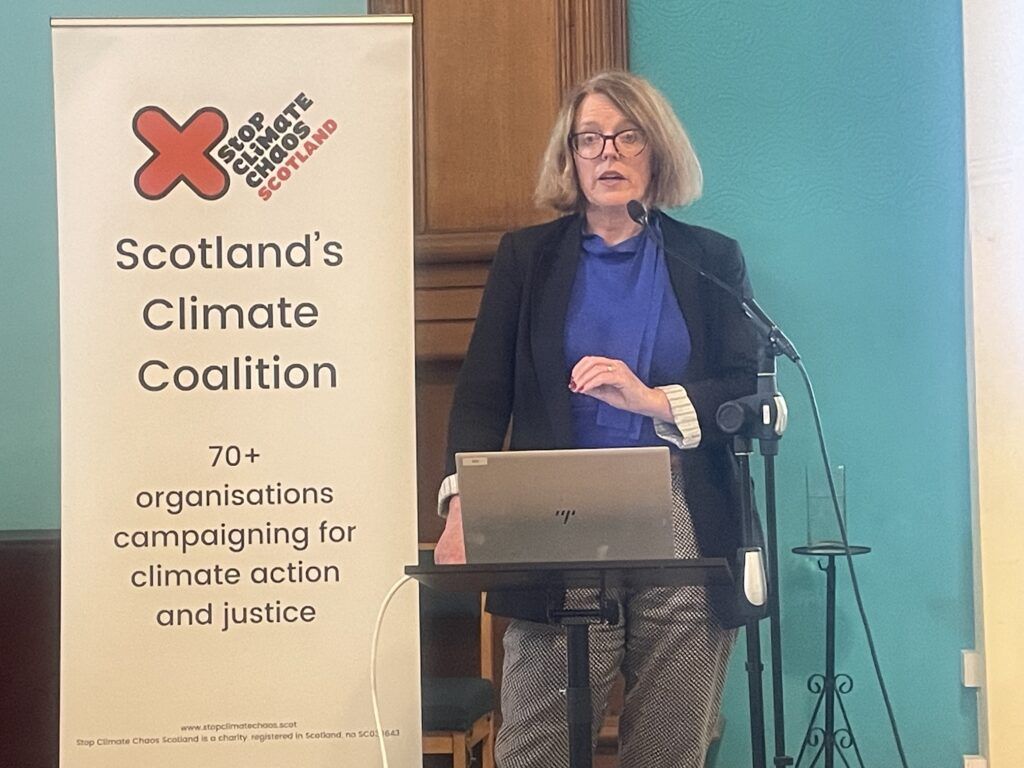
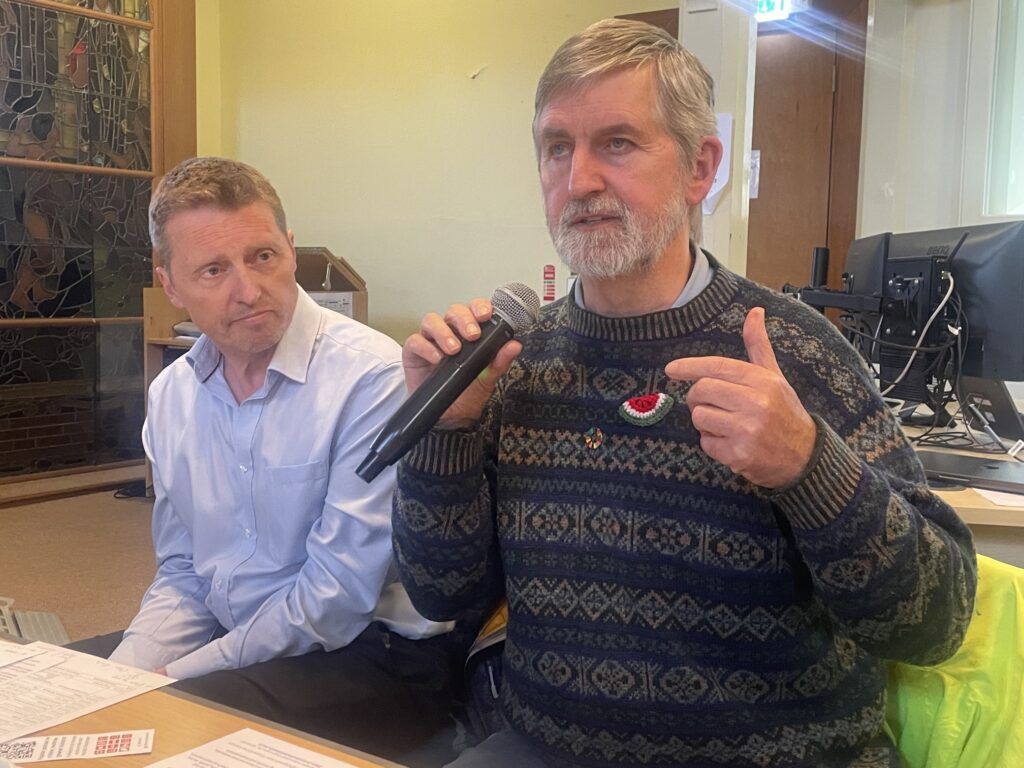
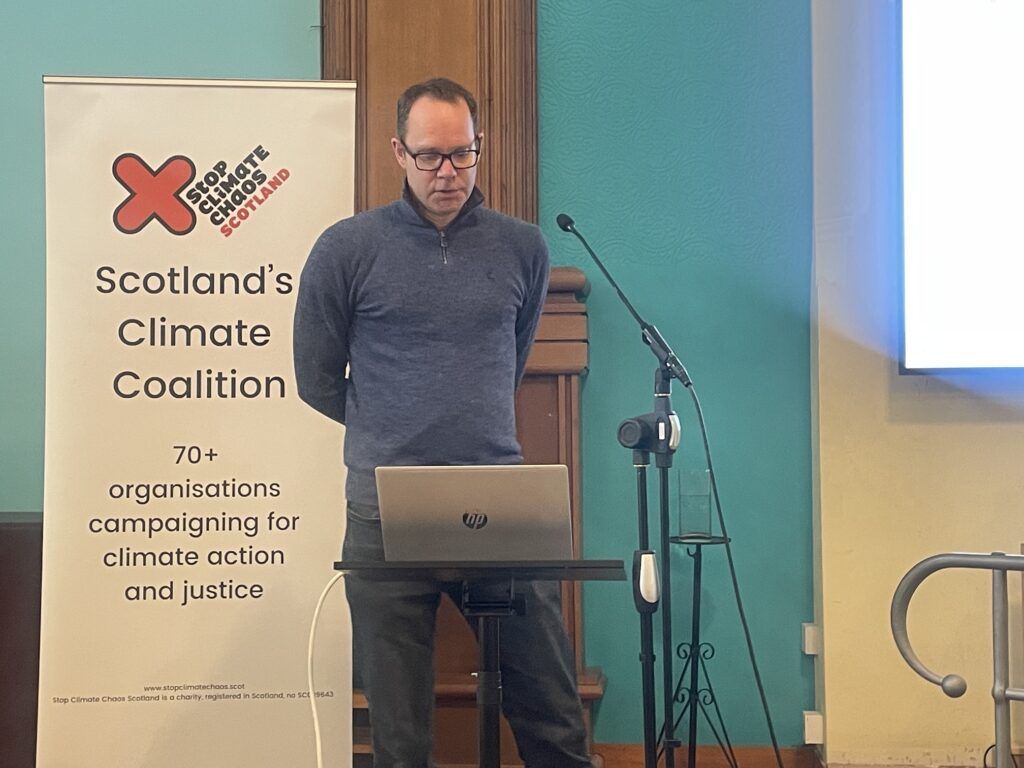
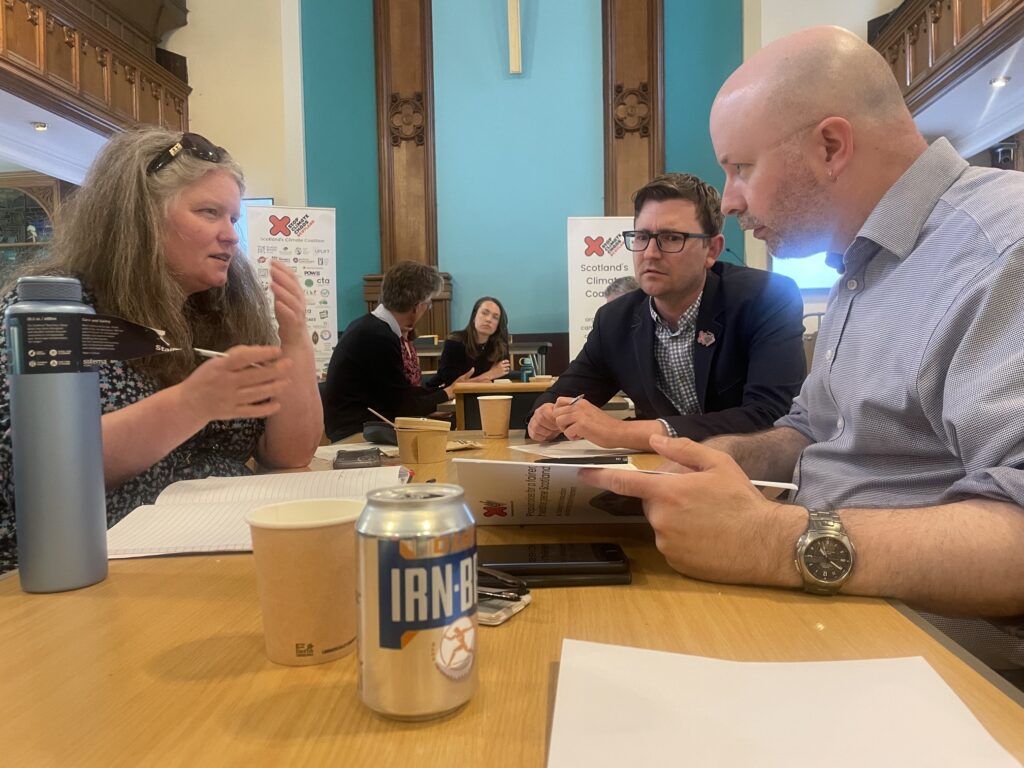
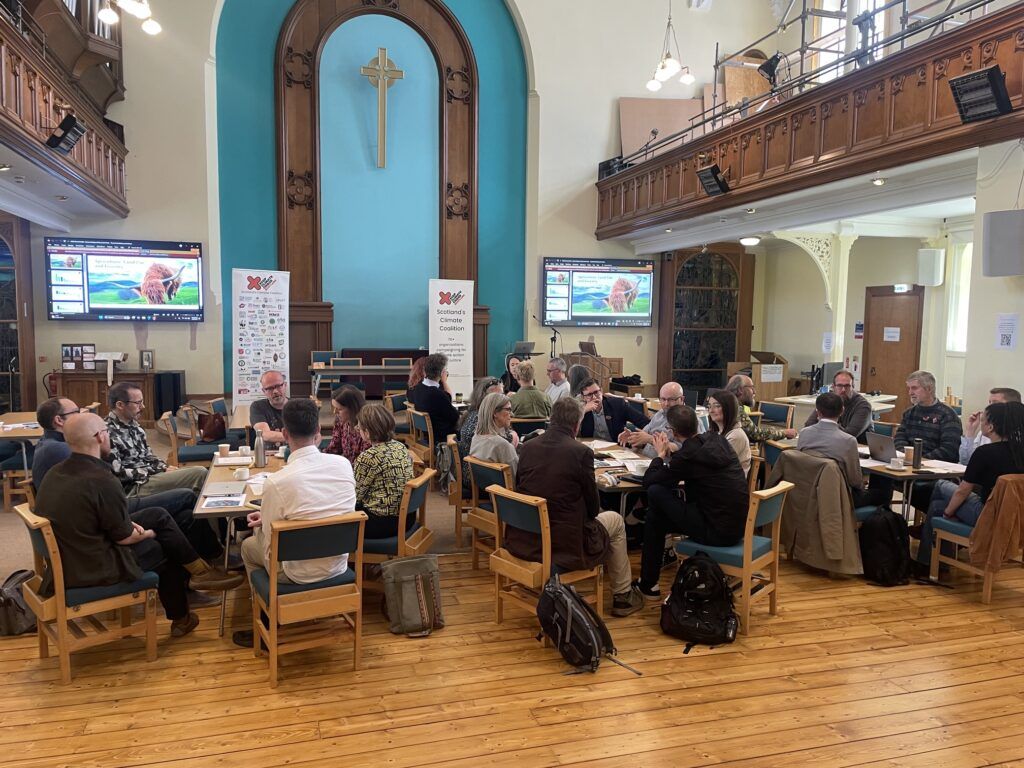
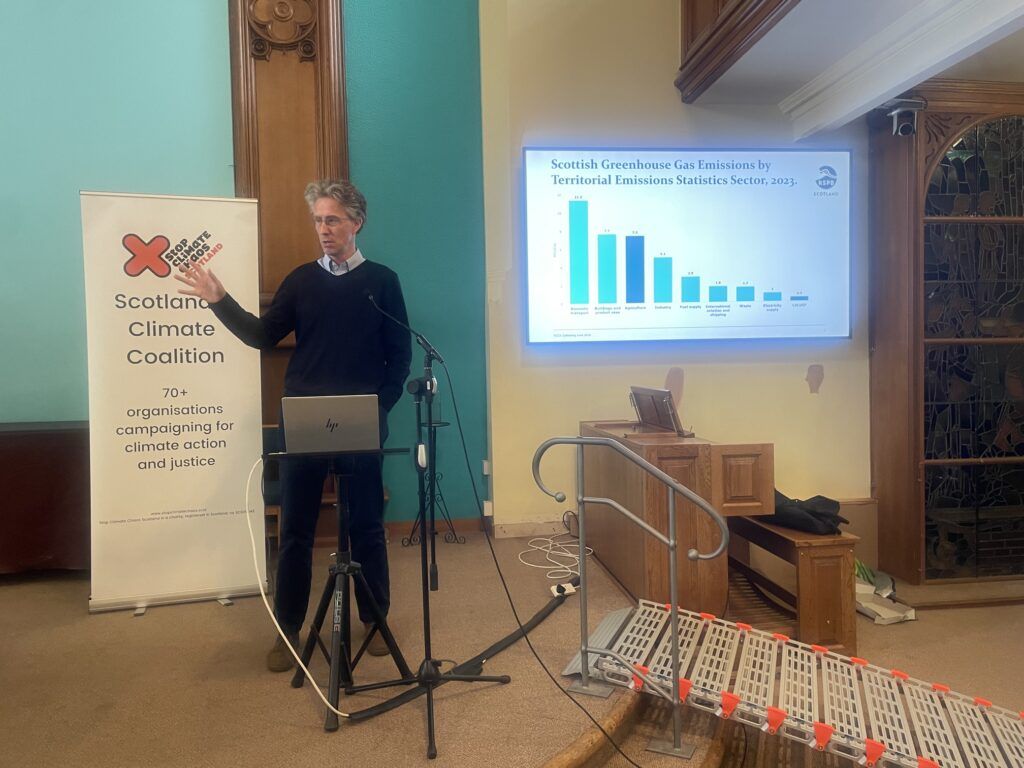
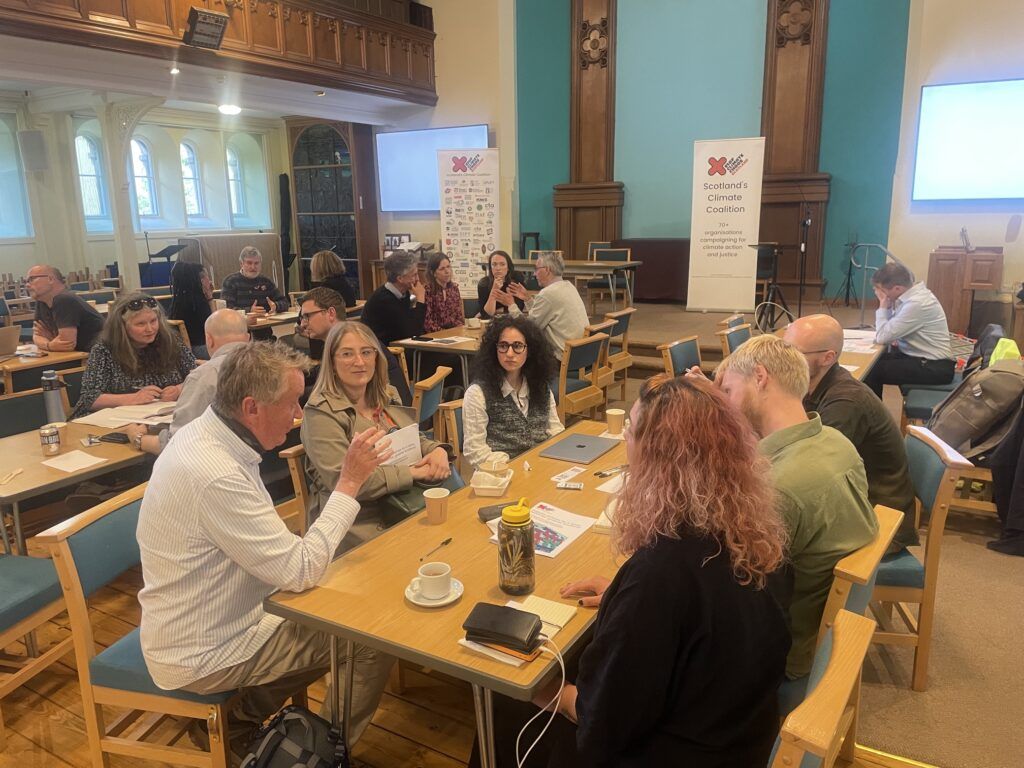
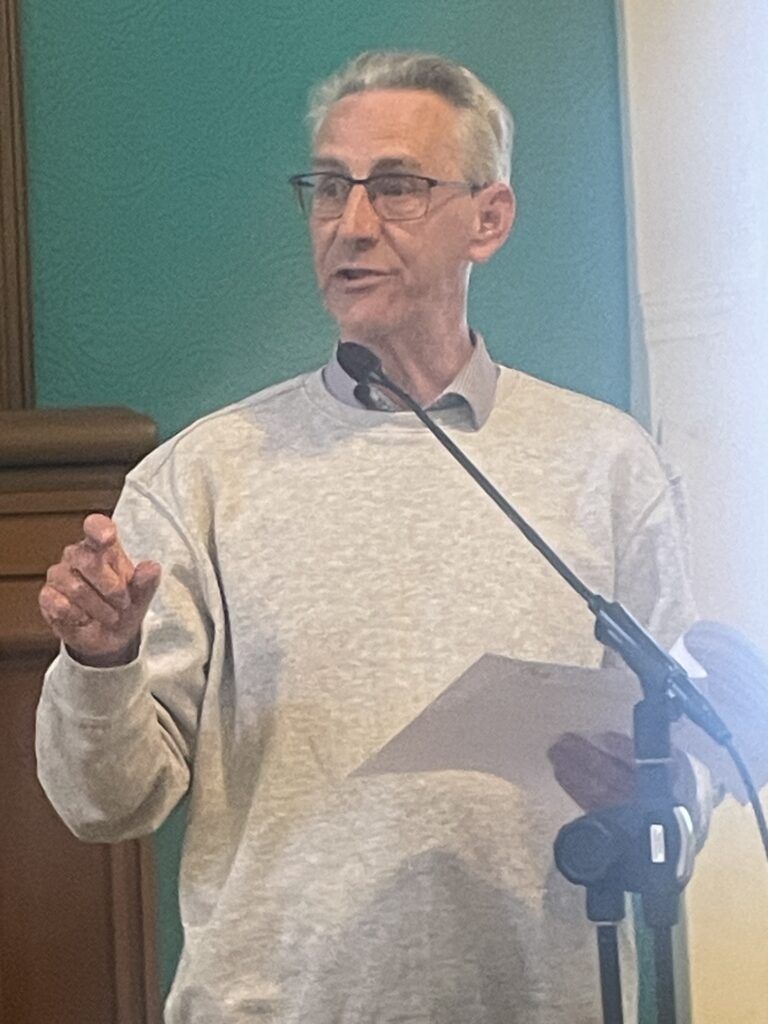
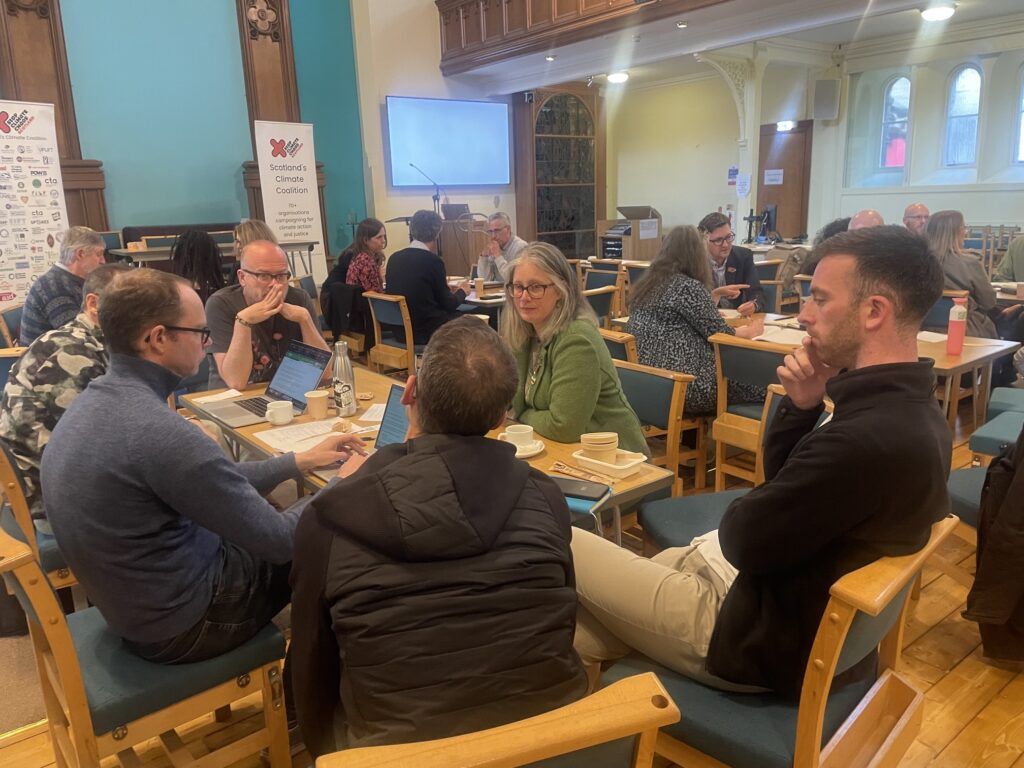
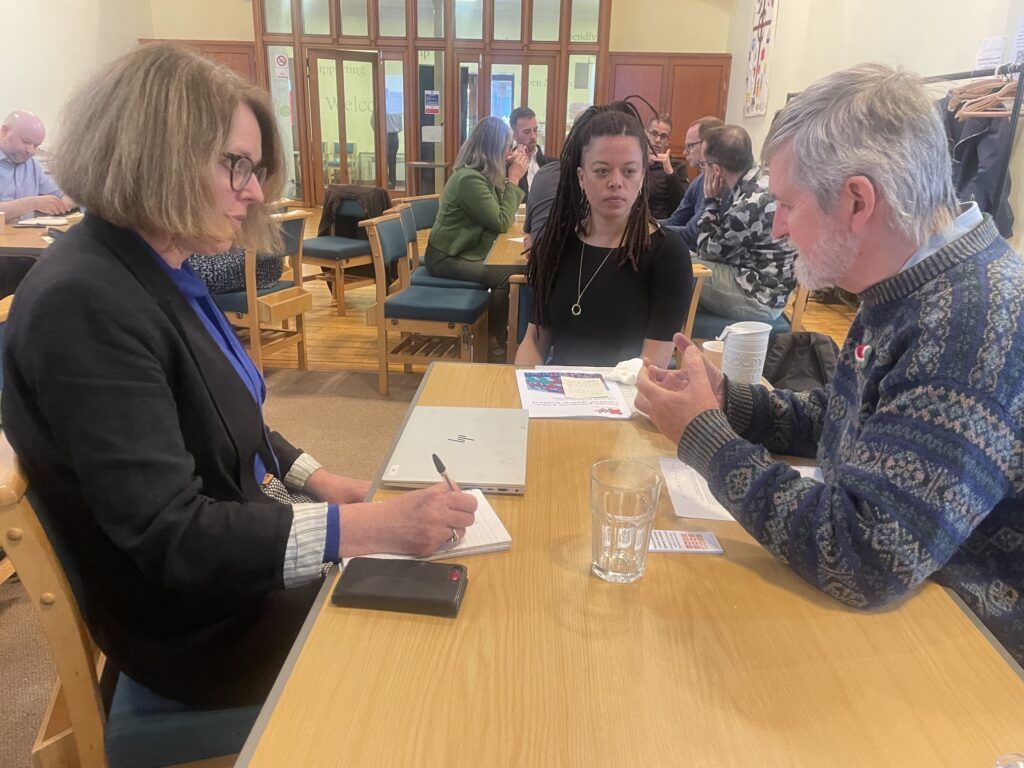
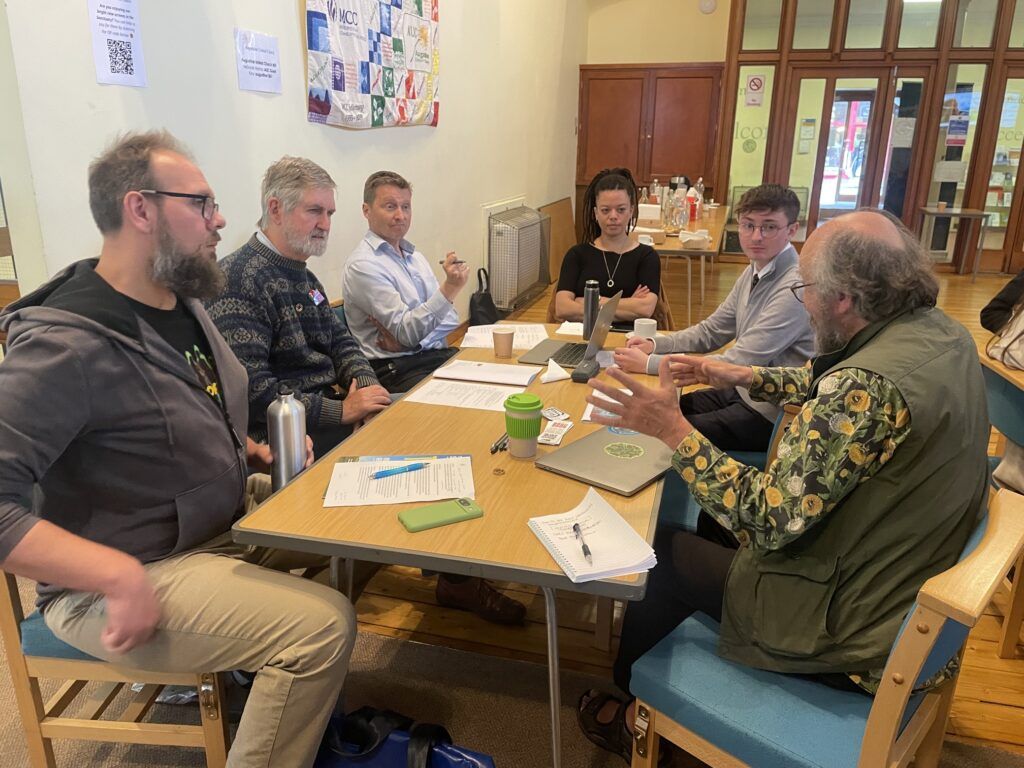
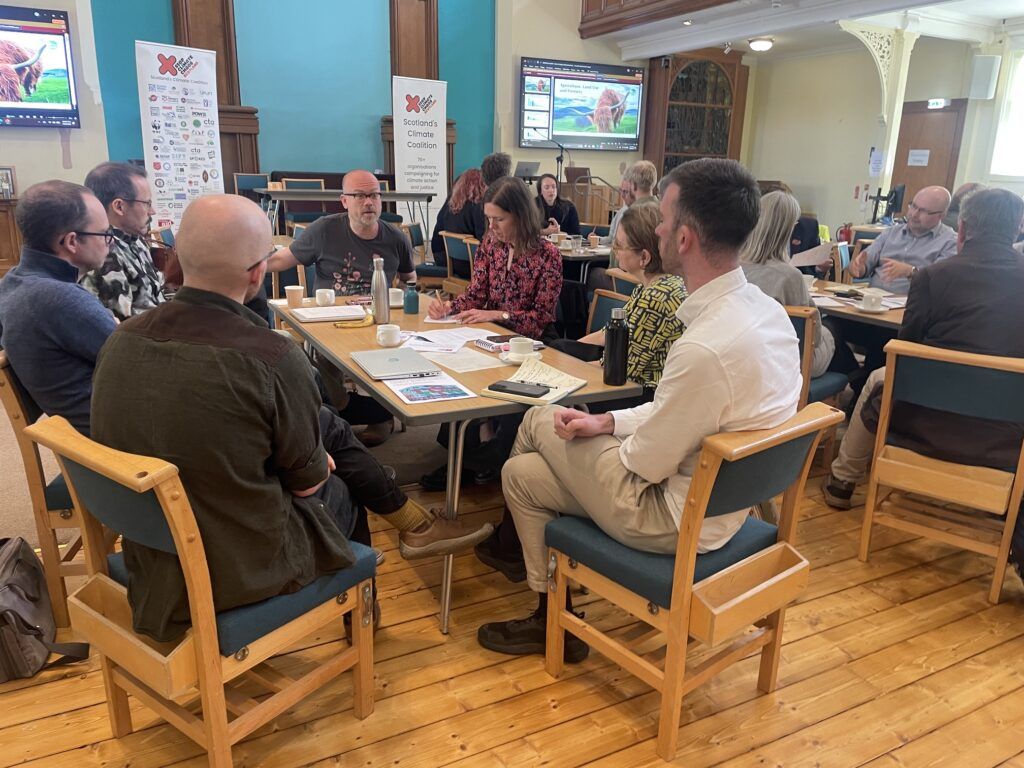
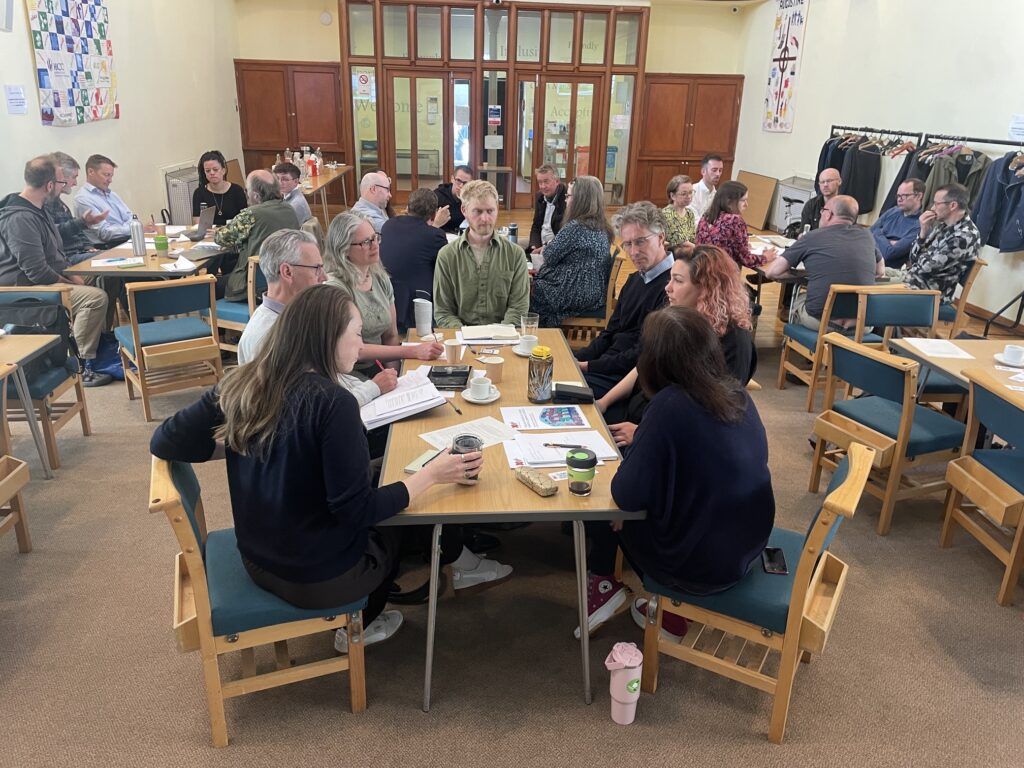
Members were also invited to share updates on their own work and join break-out discussion sessions with a direct focus on particular issues.
Some key takeaways from the get-together and top priorities for SCCS going forward include:
· Home heating: Push for a strong, properly funded Heat in Buildings bill.
· Agriculture: Promote action to bring about dietary change, reducing meat consumption, and lower livestock levels. Work on how to communicate this message and get farmers, politicians and the public on board is needed.
· Transport: Action must be accelerated – possible levers include bringing in a private jet tax sooner, nationwide roll-out of the £2 bus fare pilot scheme and providing good public transport in places where there is none.
· International development: Call for Scottish ministers to sign up to a proposed international Fossil Fuel Non-Proliferation Treaty and to establish a Loss and Damage centre of excellence, to share knowledge and capitalise on Scotland’s leadership on the issue.
· Energy: SCCS could collaborate with the new Our Power coalition to create a briefing for politicians, spelling out the issues. Complications arise from the fact that some energy decisions are reserved to the UK government, while others are controlled at Holyrood.
Mike said: “It was wonderful to have so many members of the coalition together in-person to reflect on progress over the past 20 years and share plans for the future.
“When SCCS was formed 20 years ago, few would have imagined the impact members would have on action to tackle climate breakdown and how the coalition would grow to be the largest and one of the most diverse in the country.
“Unfortunately, there is still work to be done, but we will not give up the fight to secure a safe and healthy future for people and the planet.
“With the elections out of the way, we now know the shape of the parliament and government that will take us through to 2030 – an important milestone date for the delivery of emissions reductions.”
Fraser said: “The conversations taking place at the gathering show just how committed our members remain and the breadth of work that is being undertaken throughout the coalition.
“Collaboration and sharing of insights are crucial in our joint mission to tackle climate change and global injustice. Together we have already achieved significant success in influencing Scotland’s leaders to set emissions-reduction goals, and we will continue to do so while pushing for societal change that will benefit Scots and people around the world.”