
Oil fuels wars with global consequences. But instead of allowing ourselves to be held hostage, we should protect our communities with solutions that will make life safer, healthier and more peaceful, writes SCCS chair Dr Mike Robinson.
In 2014, US president Barack Obama was famously quoted as saying: “A nation that can’t control its energy sources can’t control its future.”
If ever we needed proof of how important the control of our own energy supply is to the stability of our economy, we are seeing it now. After the US and Israel started a war with Iran last month, the price of oil has shot up past $100 per barrel – the highest since Russia invaded Ukraine four years ago.
So here we are yet again, being bounced around by the fragility of the oil market, reliant on unstable geopolitics.
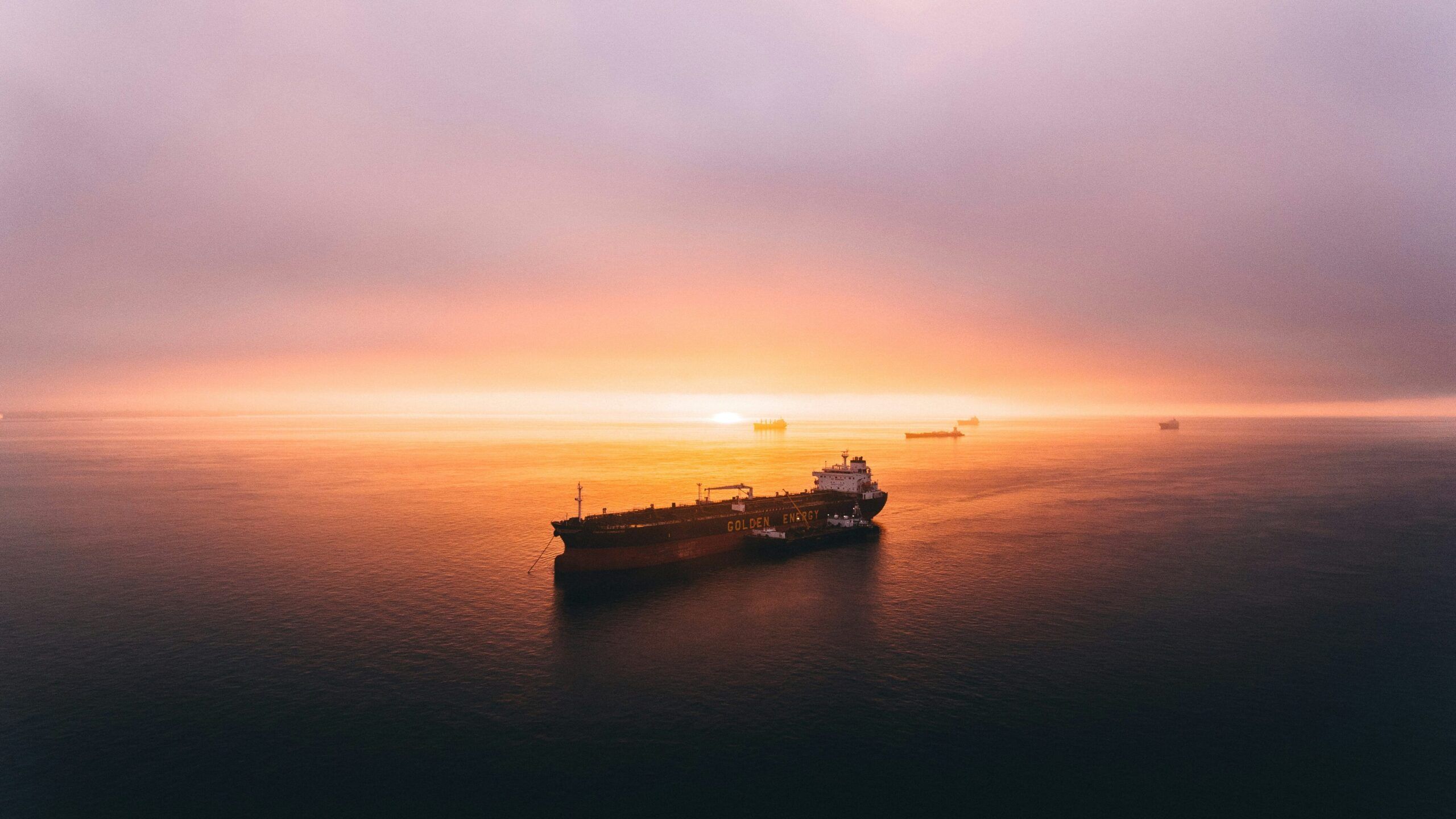
Oil is one of the leading sources of conflict across the world. Even the US’s recent capture and removal of Venezuela’s president is more about resources than concern for ordinary citizens. After all, the country holds one of the largest known oil reserves in the world.
Why do we so slavishly keep buying oil and gas from unstable or authoritarian regimes – polluting our lives and our atmosphere, and spending vast sums ‘defending’ the supply chain by stationing troops in oil-producing nations – when perfectly good alternatives exist? Wouldn’t a wholesale switch to locally and renewably produced energy be a far safer, cheaper and more morally defensible solution?
We have already seen the oil price leap to nearly $120 a barrel, and the trajectory looks upwards. Not only are Iranians and others throughout the Middle East paying for this conflict with their lives, everyone in the western world will be footing the bill. The cost of petrol, diesel, gas and heating oil will rise directly as supplies are hit by reduced production and increasingly hazardous shipping and distribution. The transport of goods will be more expensive and many other raw materials will increase in price too. So consumers far removed from the battle zone are also going to be hit hard by this conflict.
This latest financial shock comes on top of the ongoing cost-of-living crisis, which has driven inequality over the last 15 years through a programme of austerity on all but the very richest in society. It beggars belief that we haven’t so far found a better way to run our country.
Fixing the energy system is a pretty good place to start.
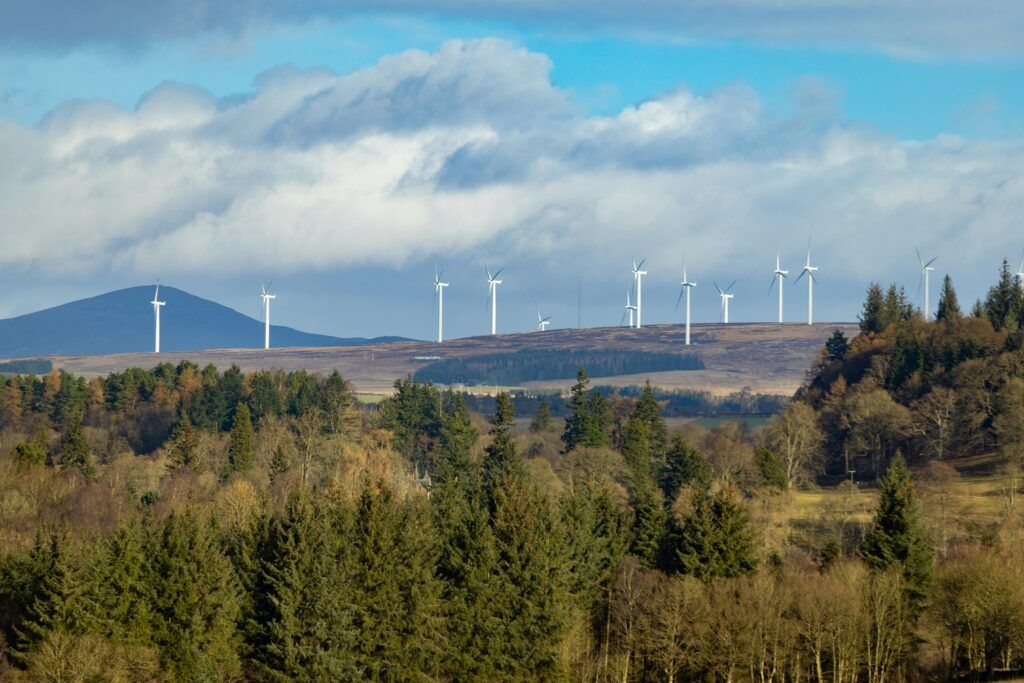
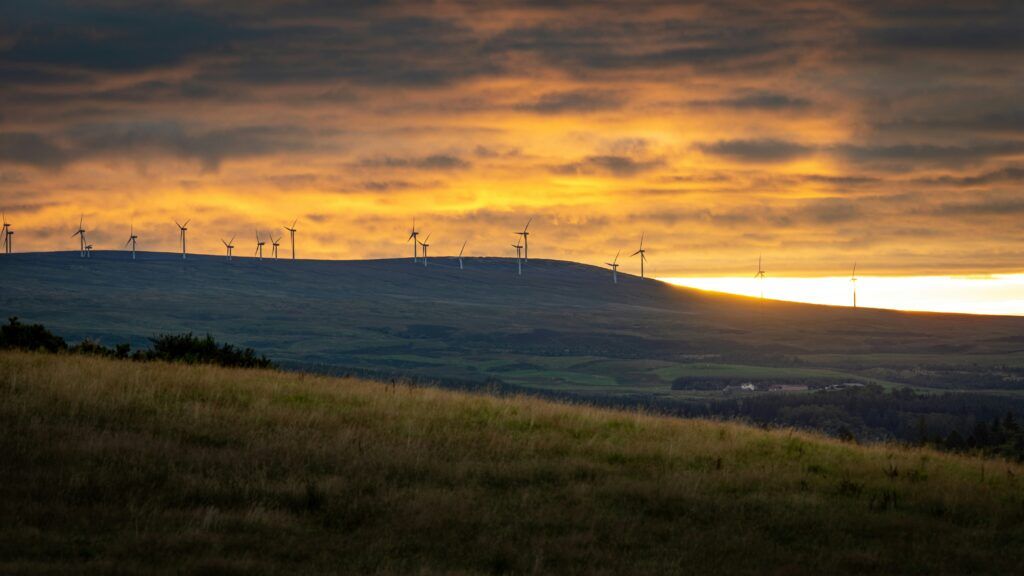
Ironically, we have already made great strides in making ourselves more resilient. The cheapest form of electricity production currently known comes from onshore wind, and we are producing enough of this low-carbon power to meet most of our domestic electricity demand – and export an amount too. It’s essential that we continue to grow that self-reliance. However, we are being hampered by a number of issues. One is an unwillingness to embrace this future of more reliable, self-contained energy resources. Another is that the price for electricity is pegged to gas.
The system seems almost designed to perpetuate dependence on fossil fuels, and at a time when we should be investing in climate-friendly alternatives. We have to break this formula because it is artificially inflating the cost of electricity and therefore inhibiting uptake of green heating and transport solutions.
Being a renewable superpower isn’t just good for the planet, it’s an essential strand of a stronger society and robust national self-interest. Achieving this would break our current reliance on countries like Russia, Iran, Saudi Arabia and, at the moment, the US, because it would give a backbone to our economy that we can build on by powering everything else.
Because we are not yet self-sufficient on energy, we remain susceptible to shocks in oil prices and therefore subject to disruption through these global conflicts over which we have very little say. It’s time to rethink.
According to analysis by the Climate Change Committee, the cost of a fossil fuel price spike on the scale seen in 2022 after Russia’s invasion of Ukraine could be double the total net extra cost of switching to renewables, electric vehicles and clean heating by the UK target date of 2050.
We have made significant progress in becoming more self-sufficient as a nation for our energy, even more than we managed by finding oil in the North Sea. Now it’s time to fully embrace the transition to renewables and self-reliance – to give us control over the price and supplies of energy and leave us less exposed to wild fluctuations brought about by wars and other global events such as pandemics.
It will be better for our economy, better for Scottish householders and businesses and better for security of supplies. And right now it feels like it could offer a far more peaceful route out of these worrying international conflicts.
If, like Obama pointed out, we can control our own energy sources, we might manage to insulate our economy from the worst of these shocks and create a more stable base to build our society on.